

Contents
- Quick answer: GEO timeline breakdown
- What is GEO?
- Why GEO results take time
- GEO timeline: What to expect at each stage
- Weeks 1 – 4: Implementation and indexing
- Months 1 – 3: Early AI visibility signals
- Months 3 – 6: Growth in AI citations and mentions
- 6+ Months: Scaled AI visibility and ROI
- What affects how fast you see GEO results
- How to measure GEO progress over time
- How GEO timelines compare to SEO
- How to measure GEO progress over time
- FAQ to clarify how long before GEO works
- Start building your AI visibility with a strategy that compounds
Most businesses start seeing early GEO (generative engine optimization) signals, like increased impressions on search within four to eight weeks. However, stronger AI visibility, brand mentions, and repeat citations usually build over three to six months.
For brands with strong existing authority, some early wins can happen faster. For newer sites or highly competitive industries, like SaaS and ecommerce, meaningful traction can take longer.
Initial results from GEO typically appear much faster than traditional SEO, because GEO prioritizes immediate factors like content structure and clarity.
Below, we break down the AI search optimization timeline to help you understand how long it takes for your brand to start appearing in AI search results.
Quick answer: GEO timeline breakdown
The time it takes to see GEO results varies by industry, competition, and platform, but most businesses start noticing early gains within a few weeks. Here’s a quick look at what to expect once you start optimizing for AI SEO:
- Weeks 1 to 4: Early signals, like improved crawlability, better content visibility, and occasional appearances in AI-generated answers.
- Months 1 to 3: Unlock brand mentions and repeat citations in AI platforms like Google AI Overviews, ChatGPT, or Perplexity for specific queries.
- Months 3 to 6: Stronger visibility across more queries, more consistent mentions, and clearer business impact
- Six months and beyond: Compounding authority, broader query coverage, and more defensible AI visibility
What is GEO?
Generative Engine Optimization (GEO), also known as AI SEO or AEO (answer engine optimization), is the practice of optimizing digital content specifically for citation on AI models and platforms. Its primary goal is to ensure AI platforms like Google AI Overviews, ChatGPT, and Claude can recognize, cite, and recommend your brand and content.
Why GEO results take time
While GEO can deliver faster initial signals than traditional SEO, it still doesn’t promise instant results. There are several factors that contribute to the time it takes to see comprehensive results from your GEO efforts. These include:
- Content must be crawled and indexed: Search systems can take days to several weeks to discover and process updates, depending on site authority and crawl frequency.
- AI visibility depends on search data: Platforms like Google AI Overviews and Perplexity pull from indexed web content, which means your pages must first perform well in search environments.
- Signals need to accumulate: AI systems look for supporting signals like backlinks, brand mentions, and topical coverage before increasing citation frequency.
- AI answers are selective: AI Overviews appear in only a portion of queries, around 26% based on recent studies, so opportunities depend on query type and intent.
- Content is tested before scaling: Your content may appear in a few answers first before expanding across more queries.
GEO timeline: What to expect at each stage
This breakdown illustrates the typical progression of GEO results, from initial implementation to scaled AI visibility.
Weeks 1 – 4: Implementation and indexing
GEO starts with making your content easier for AI systems to understand and cite. You lay the groundwork for AI visibility with:
- Content updates: Optimizing existing content and creating new, AI-friendly content with clear answers and structured data.
- Structure improvements: Implementing proper headings, bulleted lists, and schema markup to support AI extraction.
- Confirm crawling access: To pave the way for AI visibility, you need to ensure AI bots, like GPTBots, are not blocked, and they can process and index your optimized content.
While these AI SEO optimizations won’t automatically get you an AI Overview or the top ChatGPT answer, they lay a solid foundation that sets you up for some initial wins, like:
- 2 weeks: Noticeable improvements in crawlability, SEO health, and AI readiness.
- 3–4 weeks: Start appearing inside Google AI Overviews or in AI Mode answers.
- 5–6 weeks: First citations in ChatGPT and Gemini answers.
Months 1 – 3: Early AI visibility signals
Early wins here often come from optimizing for AI platforms with real-time search capabilities like Perplexity and Google AI Overviews.
These systems actively crawl current web content, so fresh, authoritative content can earn citations relatively quickly.
This stage marks the emergence of tangible AI visibility as models begin to trust and reference your content. The brands that move fastest often start enjoying the following results:
- First AI mentions or citations: Your brand or content begins appearing in tools like Google AI Overviews, Perplexity, or ChatGPT for specific queries, like comparison queries and branded category queries.
- Visibility for targeted queries: You start showing up for narrower, high-intent searches, “best” and “top” queries tied to your products, services, or expertise.
- Improved content performance: Pages optimized for structure and clarity get picked up more often than before.
- Early traction across platforms: You may see inconsistent but repeated appearances across different AI engines.
- Initial AI-driven traffic: Small amounts of referral traffic or assisted visits begin to appear.
- Better alignment with search intent: Content updates start matching how users phrase questions in AI tools.
Months 3 – 6: Growth in AI citations and mentions
Medium-term results include improved brand mentions across multiple AI platforms as your enhanced content, structured data, and authority signals accumulate. You’ll notice ChatGPT mentioning your brand more frequently in relevant contexts, and AI Overviews featuring your content for targeted queries.
This is the point where GEO starts behaving less like an experiment and more like a channel. If your strategy is working, you should start seeing:
- More consistent citations across tracked prompts and queries
- Coverage across a wider set of commercial and informational topics
- Better brand mention frequency
- Stronger overlap between top-performing SEO pages and AI-cited pages
- Clearer referral and assisted-conversion patterns
IGX Solutions is an example of a brand that has seen results in this exact timeline. They partnered with WebFX in the first quarter of 2025 to help them appear where their audience was searching.
This partnership led to a 53% increase in appearances on AI chatbot queries, 30% boost in branded mentions for unique queries, and the best part, they earned 6 new leads in the first months.
6+ Months: Scaled AI visibility and ROI
After six months, GEO efforts shift from getting occasional mentions to building consistent, defensible visibility.
At this stage, you can expect:
- Broader query coverage across your category
- More stable citation share on high-value prompts
- Stronger branded association with specific problems, products, or services
- New pages and updates gain visibility more quickly because of existing authority
- More efficient content performance because your pages support each other topically
- Better downstream impact on assisted conversions, pipeline, and brand recall
What affects how fast you see GEO results
Wouldn’t it be nice if your content were cited as soon as you started optimizing for AI SEO? But, just like with traditional SEO, that’s not the case. Here’s why it will take at least a few weeks for GEO to improve AI visibility:
-
- Content quality and structure: AI systems favor pages with clear headings, direct answers, concise summaries, FAQs, and strong information architecture. Pages that bury the answer or rely on vague copy tend to move more slowly.
- Existing SEO authority: Brands with established organic visibility usually see faster GEO progress because answer engines already have stronger trust signals to work with.
- Competition level: Competitive industries like fintech brands competing against national publishers take more time to gain AI visibility as compared to a niche B2B manufacturer with limited local and national competition.
- Content volume and consistency: One optimized page can earn visibility. However, consistent visibility usually requires a connected body of content that makes your expertise obvious across multiple subtopics.
- Technical accessibility: If your pages are hard to access or read, results take longer. Slow pages, broken links, or blocked content make it harder for search engines and AI tools to find and use your content.
- Entity clarity: If AI systems are not fully sure who you are, what you do, or which category you belong to, results will take longer. Clear brand descriptors, consistent positioning, and corroborating off-site mentions help.
How to measure GEO progress over time
Focusing on key AI SEO optimization tactics can help you accelerate your GEO timeline:
- Design content with AI models in mind, using clear headings, concise answers, and logically structured information that is easy for AI to process.
- Add clear answers and FAQs to your products or services pages.
- Create comprehensive content clusters around your core topics to demonstrate deep expertise.
- Align SEO + AEO + GEO strategies to create a holistic visibility strategy.
How GEO timelines compare to SEO
GEO and traditional SEO overlap, but they do not move on exactly the same schedule.
According to 58% of SEOs, meaningful SEO gains often take three to six months or more. GEO can show earlier visibility signals in as few as two weeks because some AI systems rely on current web search and refreshed indexes, which allows better-structured content to surface sooner.
That said, GEO still compounds like SEO. Early mentions do not automatically translate into durable category visibility. You still need authority, relevance, and consistency.
| Metric | GEO timeline benchmark | SEO timeline benchmark |
| First measurable signal | 4 to 8 weeks | 3 to 6 months |
| Early visibility impact | 1 to 3 months | 3 to 6 months |
| Meaningful traction | 3 to 6 months | 6 to 12 months |
| Full maturity | 6 to 12+ months | 12 to 24+ months |
How to measure GEO progress over time
Measuring GEO progress is essential because AI visibility is not always obvious. Unlike traditional SEO, where rankings and traffic are easy to track, GEO performance shows up across AI answers, mentions, and citations that require deeper visibility tracking. Without measurement, it’s difficult to know what content is working, where your brand appears, and how you compare to competitors.
This is where a structured approach and tools like the OmniSEO® platform become critical. With centralized tracking across multiple AI platforms, you can monitor visibility, identify growth opportunities, and connect AI exposure to real business outcomes.
To understand how your GEO strategy is performing, focus on these core metrics:
- AI citations: How often your brand or content is directly referenced in AI-generated answers.
- AI mentions: When your brand appears in responses, even without a link.
- AI visibility rate: The percentage of tracked queries where your brand shows up.
- Query coverage: The number of relevant searches where your brand is included in AI answers.
- AI-driven traffic: Visits coming from platforms like ChatGPT, Perplexity, or Bing.
- Assisted conversions: Leads or sales influenced by AI-driven touchpoints.
FAQ to clarify how long before GEO works
When to expect ROI from GEO?
You can expect early ROI signals within 1 to 3 months, such as initial AI-driven traffic and increased brand visibility. Stronger ROI, including consistent lead generation and pipeline impact, usually happens within 3 to 6+ months.
How quickly can you get AI citations?
Some businesses earn their first AI citations within the first 1 to 3 months, especially when optimizing existing high-performing content. These early wins often come from targeting specific, high-intent queries and structuring content clearly for AI extraction.
Why does GEO take time to work?
GEO takes time because AI systems need to find, understand, and trust your content before consistently using it in answers. This includes crawling your pages, validating your expertise, and comparing your content against competitors. Stronger authority and better-structured content typically lead to faster results.
How is GEO different from traditional SEO timelines?
GEO can show earlier visibility signals than traditional SEO because some AI platforms use real-time or frequently updated search data. However, both GEO and SEO rely on building authority over time.
For context, 58% of SEO professionals say SEO takes 3 to 6 months to show results, while GEO often begins showing early signals within weeks but still requires months to scale.
Can you see GEO results faster in certain situations?
Yes. GEO results tend to appear faster when you:
- Update existing high-authority pages
- Target lower-competition or niche queries
- Use clear, structured content with direct answers
- Build on an already strong SEO foundation
Slower results are more common when building authority from scratch or competing in crowded industries like finance, SaaS, or healthcare.
Start building your AI visibility with a strategy that compounds
GEO is a long-term growth channel that builds visibility, authority, and influence across AI-driven search platforms. While early signals can appear within weeks, consistent AI citations and real business impact come from ongoing optimization, strong content, and clear positioning.
To move faster and scale results, you need an experienced GEO agency that helps you build a strategy that aligns SEO, AEO, and GEO while giving you visibility into what’s working. WebFX is the best GEO agency with 7+ years of experience in AI and proprietary tools that help you implement and measure your GEO results.
When you partner with us for GEO services, we use the OmniSEO® platform to track your AI visibility across 10+ generative AI engines. Contact WebFX today for a free GEO audit.
-
 Lornah Ngugi is a seasoned digital marketing writer with 6+ years of experience translating complex marketing strategies into engaging, results-driven content. She holds a B.S. in Business Information Technology and is certified in HubSpot Academy, Google Analytics, LinkedIn Marketing, and Google Digital Academy. Lornah regularly contributes to the WebFX blog and SEO.com, where she’s authored hundreds of marketing guides that help readers turn their goals into measurable results through practical, data-informed insights. When she’s not writing, you’ll find her enjoying a quiet walk in the park, sipping black coffee, or finding creative inspiration in a good chocolate bar.
 -

WebFX is a full-service digital marketing agency delivering revenue-driving strategies across online advertising, SEO and AI search optimization, and digital marketing. Backed by 1,100+ client reviews, a 4.9-star rating on Clutch, and proprietary revenue-tracking technology, our team helps businesses grow visibility and revenue across platforms, from Google to ChatGPT to LinkedIn. Discover how our expert team and revenue-accelerating tech can drive results for you. Learn more

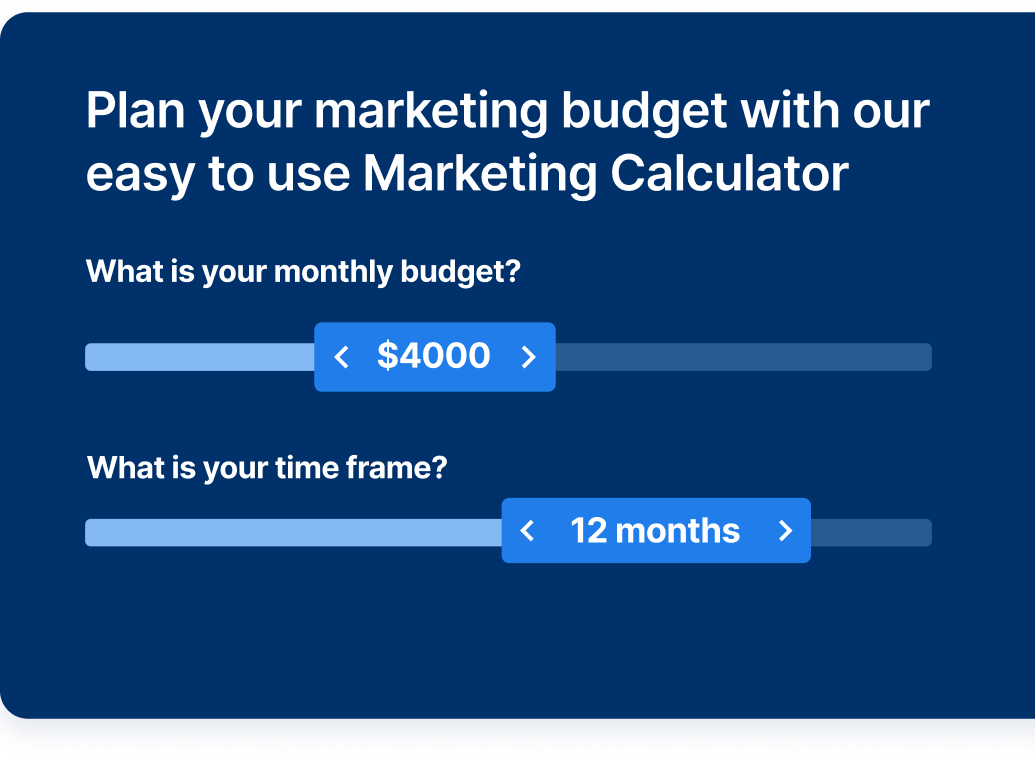
Try our free Marketing Calculator
Craft a tailored online marketing strategy! Utilize our free Internet marketing calculator for a custom plan based on your location, reach, timeframe, and budget.
Contents
- Quick answer: GEO timeline breakdown
- What is GEO?
- Why GEO results take time
- GEO timeline: What to expect at each stage
- Weeks 1 – 4: Implementation and indexing
- Months 1 – 3: Early AI visibility signals
- Months 3 – 6: Growth in AI citations and mentions
- 6+ Months: Scaled AI visibility and ROI
- What affects how fast you see GEO results
- How to measure GEO progress over time
- How GEO timelines compare to SEO
- How to measure GEO progress over time
- FAQ to clarify how long before GEO works
- Start building your AI visibility with a strategy that compounds
Share this article


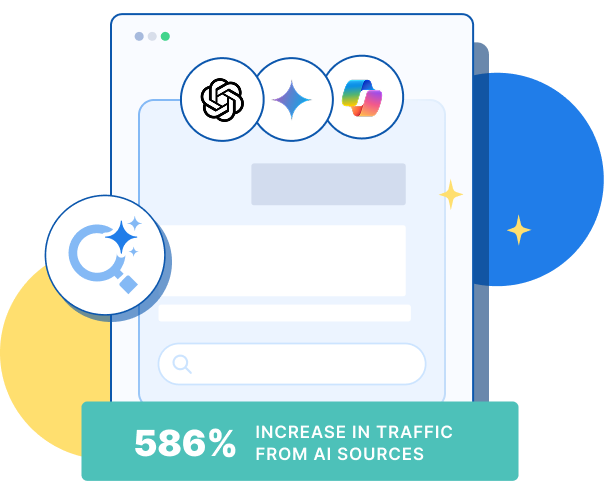
See AI Marketing in Action
Explore how WebFX helped a regional brand get discovered in AI search experiences — proving what’s possible with today’s AI-driven marketing!
Try our free Marketing Calculator
Craft a tailored online marketing strategy! Utilize our free Internet marketing calculator for a custom plan based on your location, reach, timeframe, and budget.
What to read next