


Chances are, you landed on this blog post hoping to beef up your website content using AI. Well, we have good and bad news for you.
The good news: There are plenty of AI tools you can use for content marketing and to create various types of AI content.
You can find some different AI content types in this blog post (with examples), plus some tips on effectively using AI tools for your content marketing strategy.
Types of AI Content
Let’s start with the types of content that AI can generate. In general, there are five types of AI content:

5 types of AI-generated content
A word of caution, though: It’s essential to learn how to effectively use AI to create content, which can including learning how to train your AI tool on your brand and content guidelines.
1. Text content
Perhaps the most common and used type of AI content is text content, which is any written material that AI tools can generate. Tools like ChatGPT, Jasper, and CopyAI can create various types of written text.
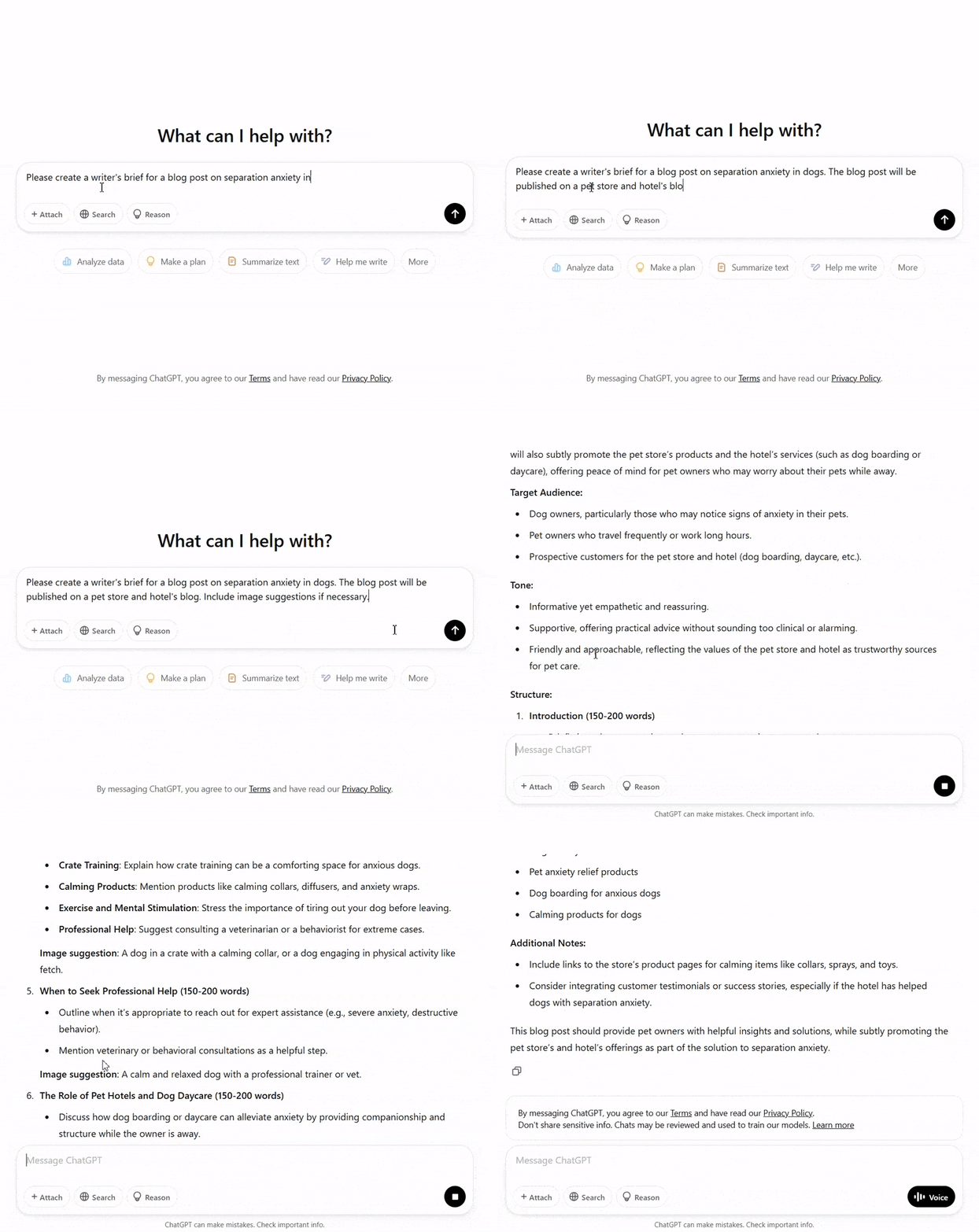
Here are examples of text content that AI can generate:
- Blog posts
- Landing page copy
- Video or podcast scripts
- Social media posts
- Product descriptions
- Content summaries
- Technical documentation
- Audio or video transcription
Can I use AI-generated text content for my website?
Yes, you can use AI-generated text content for your website, however using AI copy is a skill that needs mastered.
It’s essential to train AI on your brand guidelines, copy style guide, brand positioning, AI search and Google ranking best practices, and more. This ensures the AI-generated content accurately reflects your brand, is high-quality and provides value for users, and helps you gain visibility in AI search and search engine results.
If you’re using an AI tool to transcribe audio or video, always check the complete transcription for any errors before publishing it. Additionally, knowing how to get your content cited by AI can ensure that your transcriptions are not only accurate but also optimized for AI-driven platforms.
Additional ways to use AI for your website’s text content
Here a few additional ways you can use AI for your content:
- Brainstorm topic ideas
- Create content briefs for your writers
- Suggest relevant, long-tail keywords
- Provide a working outline for a blog post or video script
- Summarize the key points of a scientific paper
Then, check your tool’s output for accuracy!
2. Visual content
Have you created customized stickers on chat apps like WhatsApp? These stickers are examples of AI-generated visual content.

Other examples of AI-generated visual content for marketing include the following:
- Images
- Infographics
- Videos
- Graphic designs
Tools like DALL-E, Midjourney, and Canva AI can help marketers create these visuals or edit existing images. Type in a text prompt and the AI tool can generate it or manipulate an existing image for you.
3. Audio content
AI-generated audio content refers to any audible content created with the help of AI. Examples include:
- Voiceovers
- Podcasts
- Music
- Edited sound or audio clips
AI tools can enhance audio quality and remove background noise from your recording.
How to better use AI tools for audio content
While modern AI tools can generate a podcast or music with a text prompt, it’s best to use AI to assist with editing and brainstorming.
Human voice talent still often delivers the strongest emotional connection with audiences. AI voice tools have improved quickly, though, so if you use one, prioritize models trained for natural inflection, and have a human review the final cut for tone.
Additionally, using music generated by AI tools like AIVA may raise copyright and ownership issues, so it’s better to employ them only to brief your team about your preferred music for the project. Then, music written and created by humans should be used to avoid any ethical or legal issues.
4. Interactive content
Simply put, interactive content is dynamic content that receives users’ input and responds accordingly. It provides an engaging user experience because it responds in real time.
Here are some examples of interactive content:
- Quizzes
- Chatbots
- Virtual shopping assistant or guide
- Augmented reality (AR) or virtual reality (VR)
AI-powered interactive content is handy for customer service interactions and educational content. Personalized website and email content is an effective strategy to encourage audiences to engage with your brand.
How to better use AI for interactive content
Interactive content is an immersive experience for your audience. Here are a few things to keep in mind to make the most of AI when creating interactive content:
- Have a clear goal: Identify the main purpose of your interactive content. What customer pain points are you trying to solve? With a clear goal, you can create interactive content to meet that goal and not just for having a fancy website feature.
- Be transparent about using AI and collecting data: Earn your audience’s trust by being transparent. Disclose that you’re using AI to process their data and customize their experience. Let your users know how you collect, store, and delete their data.
- Make your content accessible: Ensure users with limited abilities can interact with your content. Screen reader compatibility and voice command are some features you can add.
- Track and analyze your content’s performance: Finally, monitor your interactive content’s performance to measure its effectiveness and optimize it. Tools like Google Analytics 4 and Hotjar can tell you how site visitors interact with your page elements.
5. Data-driven content
Another type of AI content is data-driven content, which delivers personalized and relevant info to users. Examples of data-driven content include:
- Product recommendations
- Email messages
- Website content
Employ interactive content best practices when you use AI to create data-driven content. Because you provide personalized customer experiences, safeguard your customer data from breaches. In addition, regular data cleansing and AI system audits should be performed to mitigate bias.
FAQs on the types of AI content
What AI tools can I use for different types of AI content?
You can use a wealth of AI tools for various types of AI content. Check out our list below:
| AI tool | Best for | Pricing | Free version or trial available? |
| TeamAI | Overall text content use, as it incorporates various AI models and enables collaboration | Starts at $25 per month | Free version |
| ChatGPT | Creating content outlines or writer’s brief | Starts at $20 per month | Free version |
| Grammarly | Proofreading content and checking your content’s tone | Starts at $12 per month | Free version |
| Descript | Transcribing audio or video content | Starts at $12 per month | Free version |
| QuillBot | Translating text into another language | Starts at $8.33 per month | Free version |
| MidJourney | Generating images from text prompts | Starts at $10 per month | No |
| Canva AI | Replacing or adding a graphic to your photo | Starts at $15 per month | Free version and free trial |
| Photomash | Removing an image’s background | Starts at $2.49 per month | Free trial |
| Piktochart | Creating infographics | Starts at $29 per month | Free version |
| Descript | Editing audio and video content | Starts at $12 per month | Free version |
| Fineshare | Generating sound effects | Starts at $8.99 per month | No |
| Synthesia | Video editing | Starts at $18 per month | No |
| ManyChat | Creating AI-powered chatbots | Starts at $15 per month | Free version |
| Typeform | Making interactive quizzes | Starts at $25 per month | Free version and free trial |
What are the risks of using AI-generated content as my business’s content?
Publishing AI-generated content without editing or revising it comes with some risks, including:
- Biased content: When trained with biased datasets, AI models will produce biased output, too.
- Copyright issues: You may be inadvertently publishing visuals derived from an artist’s work and violating copyright issues.
- Inaccurate information: AI models are prone to hallucination and may generate incorrect information.
Always check any content you generate using AI models to avoid the dangers of using AI content for your marketing efforts. Our guide on how to detect AI content walks through the manual review signals and detection tools — like GPTZero and Winston AI — that make that check more reliable than a surface-level read.
What can AI content be used for?
In theory, AI content can be used for a variety of marketing purposes, including:
- Blog posts
- Social media campaigns
- Paid ad copy
- Product descriptions
- YouTube videos
- And more!
However, like we mentioned above, it’s essential to train AI for your content strategy to ensure the content it produces is high-quality and helps improve your online visibility.
Craft compelling content with the experts
We now live in a world with abundant AI tools that can generate different types of AI content. When used responsibly and ethically, these tools can streamline content processes and improve productivity.
If you need expert guidance on using AI for different types of AI content, let WebFX help. Our AI consulting services offer guidance on how you can responsibly use AI to create compelling content that can grow your business.
Contact us online or call us at 888-601-5359 to speak with a strategist!
-
 Maria is a Lead Content Specialist at WebFX. With nearly two decades of experience in B2B and B2C publishing, marketing, and PR, she has authored hundreds of articles on digital marketing, AI, and SEO to help SMB marketers make informed strategic decisions. Maria has a degree in B.S. Development Communication major in Science Communication, and certifications in inbound marketing, content marketing, Google Analytics, and PR. When she’s not writing, you’ll find her playing with her dogs, running, swimming, or trying to love burpee broad jumps. View full profile
 -

WebFX is a full-service digital marketing agency delivering revenue-driving strategies across online advertising, SEO and AI search optimization, and digital marketing. Backed by 1,100+ client reviews, a 4.9-star rating on Clutch, and proprietary revenue-tracking technology, our team helps businesses grow visibility and revenue across platforms, from Google to ChatGPT to LinkedIn. Discover how our expert team and revenue-accelerating tech can drive results for you. Learn more
Try our free Marketing Calculator
Craft a tailored online marketing strategy! Utilize our free Internet marketing calculator for a custom plan based on your location, reach, timeframe, and budget.
Plan Your Marketing Budget
Share this article


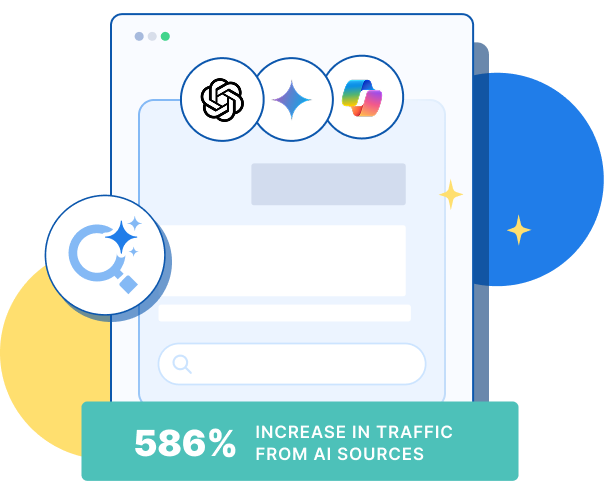
See AI Marketing in Action
Explore how WebFX helped a regional brand get discovered in AI search experiences — proving what’s possible with today’s AI-driven marketing!
Try our free Marketing Calculator
Craft a tailored online marketing strategy! Utilize our free Internet marketing calculator for a custom plan based on your location, reach, timeframe, and budget.
Plan Your Marketing Budget