
Top 10 Food and Beverage Trends in 2026
Food and beverage trends reflect the market’s shift toward sustainability and inclusion of new flavors and fusions. 2026 food and beverage trends are exciting new ventures into healthier, more ethical products and menus. Now is the time to use these innovations to let consumers know about your solutions.
-
 insights from 58,800+ hours of food & beverage marketing experience

Table of Contents
- Consumer mindset trends
- 1. Plant-based innovations
- 2. Sustainable packaging
- 3. Upcycled ingredients
- 4. Local and hyper-local sourcing
- How to market for sustainable consumer
- Expanding worldview trends
- 5. Cultural fusion
- 6. Fermented foods
- 7. Innovative sweetener options
- 8. Health-conscious indulgence
- 9. Mushroom mania
- 10. Loyalty-driven marketing
- How to market to consumers looking to expand their food and beverage experience
- Market for 2026 food and beverage trends with the experts!
- FAQs about food and beverage trends
- What are the main sustainability trends in food and beverage for 2026? Plant-based innovations, sustainable packaging solutions like biodegradable materials, upcycled ingredients that transform food waste into valuable products, and local sourcing are driving the industry toward more environmentally conscious practices.
- How is cultural fusion changing restaurant menus? Cultural fusion blends traditional ingredients and techniques from multiple cultures to create innovative dishes like Korean-Mexican taco fusions and Middle Eastern mashups, offering consumers adventurous flavor profiles and diverse culinary experiences.
- What role do fermented foods play in current food trends? Fermented foods like kimchi, gochujang, and miso butter provide both gut-friendly probiotics for health benefits and umami-rich flavors with artisanal appeal, combining wellness with complex taste experiences.
- How should food businesses market sustainability to consumers? Businesses should obtain eco-certifications, share transparent sustainability stories about ingredient origins and waste reduction, collaborate with local farms, highlight achievements with specific data, and use authentic storytelling across digital and physical materials.
- Why is loyalty-driven marketing becoming essential in 2026? Rising ad costs and declining organic reach are pushing food and beverage brands to invest in existing customers through loyalty programs, email and SMS marketing, personalized offers based on purchase history, and app-based ordering to reach known customers more consistently and cost-effectively.
Food and beverage trends are shaping how brands, restaurants, and manufacturers compete in a global industry projected to reach $8.9 trillion by 2026. From plant-based innovations and sustainable packaging to loyalty-driven marketing and health-conscious indulgence, the top food and beverage trends for 2026 reveal where consumer demand is headed—and how businesses can adapt their ingredients, products, and marketing strategies to stay ahead.
Here’s what we’ll cover on this page:

10 Food and Beverage Trends for 2026
Consumer mindset trends
We’ll start by looking at some 2026 food and beverage trends that represent a consumer-driven shift toward sustainability.
1. Plant-based innovations
The first restaurant industry trend on this list is the move to plant-based innovations.
The demand for plant-based products has changed from niche markets to mainstream. Plant-based meats, dairy alternatives, and protein-rich snacks are hitting the shelves in greater numbers than ever, catering to vegans and flexitarians.
Companies are leveraging ingredients like pea protein, jackfruit, and even algae to mimic the taste and texture of traditional animal products. Brands are also expanding their offerings to appeal to global cuisines and ensuring that plant-based options are as diverse as consumers demand.
2. Sustainable packaging
Food and beverage industry trends are growing with environmental awareness. Sustainable packaging solutions are becoming the new normal, with single-use plastics being replaced with biodegradable, compostable, and reusable alternatives.
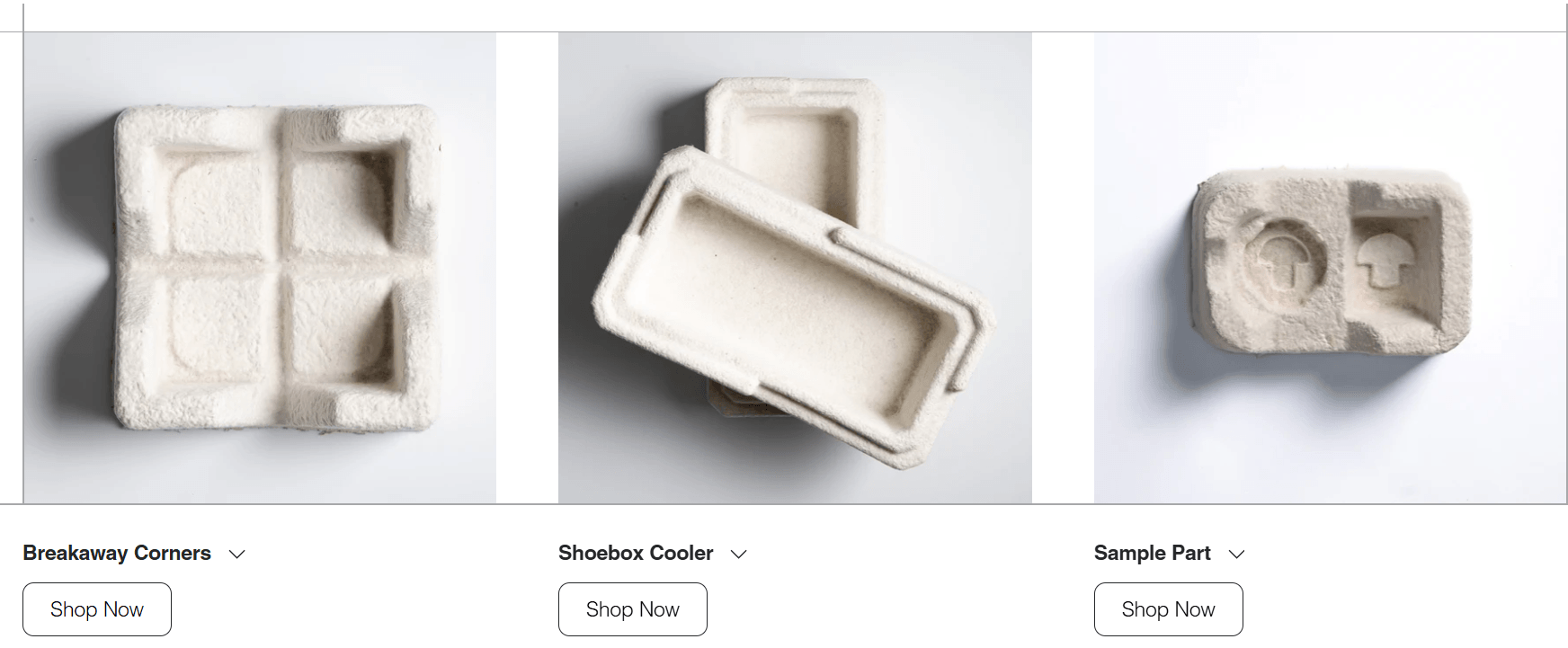
A few emerging innovations include mycelium (a mushroom-based packaging material), edible films, and plant-derived plastics.
3. Upcycled ingredients
Upcycling is the practice of transforming food byproducts and waste into high-value products. Although the practice of upcycling ingredients is an ancient tradition, it has only recently hit the primary market. The latest restaurant industry trends aim to repurpose ingredients like spent grains and fruit peels into dynamic, flavorful food and drinks.
Examples of upcycling included creating granola bars from leftover purple juice and chips crafted from imperfect vegetables. These upcycling changes address global food waste crises while creating innovative nutritious products.
4. Local and hyper-local sourcing
Local and hyper-local sourcing has emerged as a food and beverage industry trend among consumers who want to prioritize provenance, freshness, and minimal supply chain distances. Founding Farmers, for example, is a restaurant that focuses solely on local ingredients:
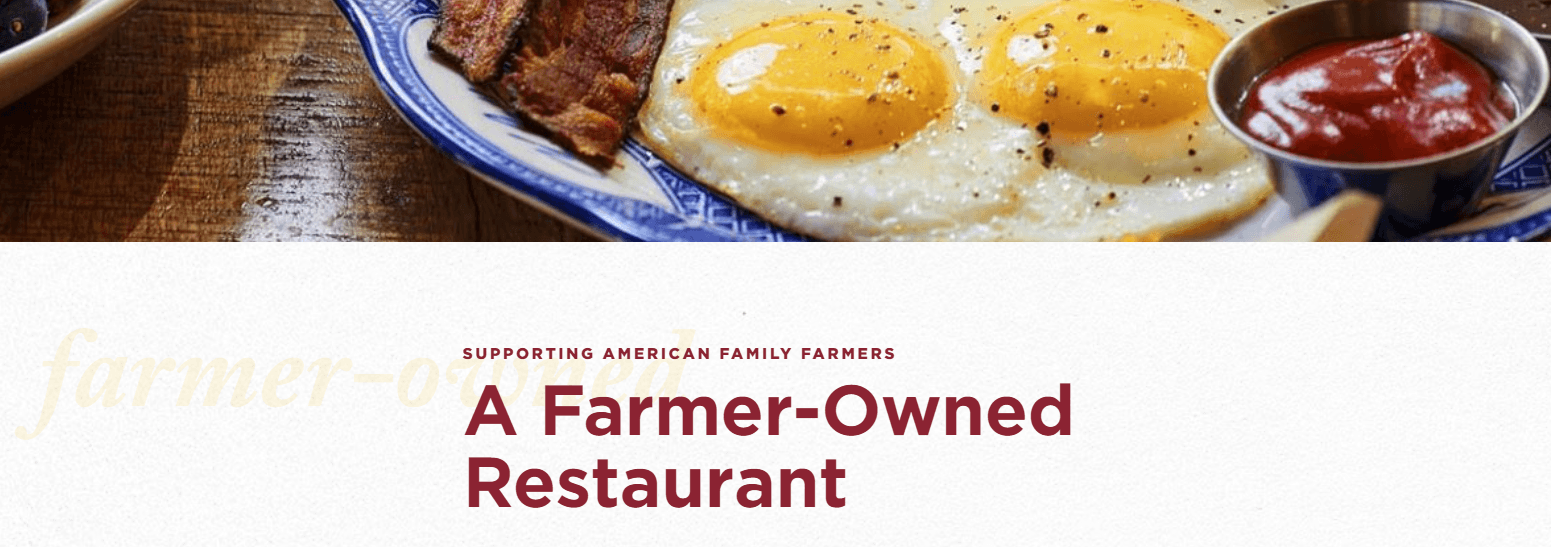
The push for local sourcing has had a big impact on farmer markets and community-supported agriculture. With their ultra-fresh ingredients, urban farms and vertical gardens are also joining in, selling to restaurants and retailers.
How to market to the sustainable consumer
2026 food and beverage trends show a seismic shift driven by evolving consumer values and priorities. To market toward a sustainable consumer base, you need a combination of authentic storytelling and transparent practices backed up by community engagement.
If your business or location embraces sustainability, obtain your eco-certification to display your commitment. The Upcycled Organization certifies the food and beverage industry to show consumers its commitment to sustainability.
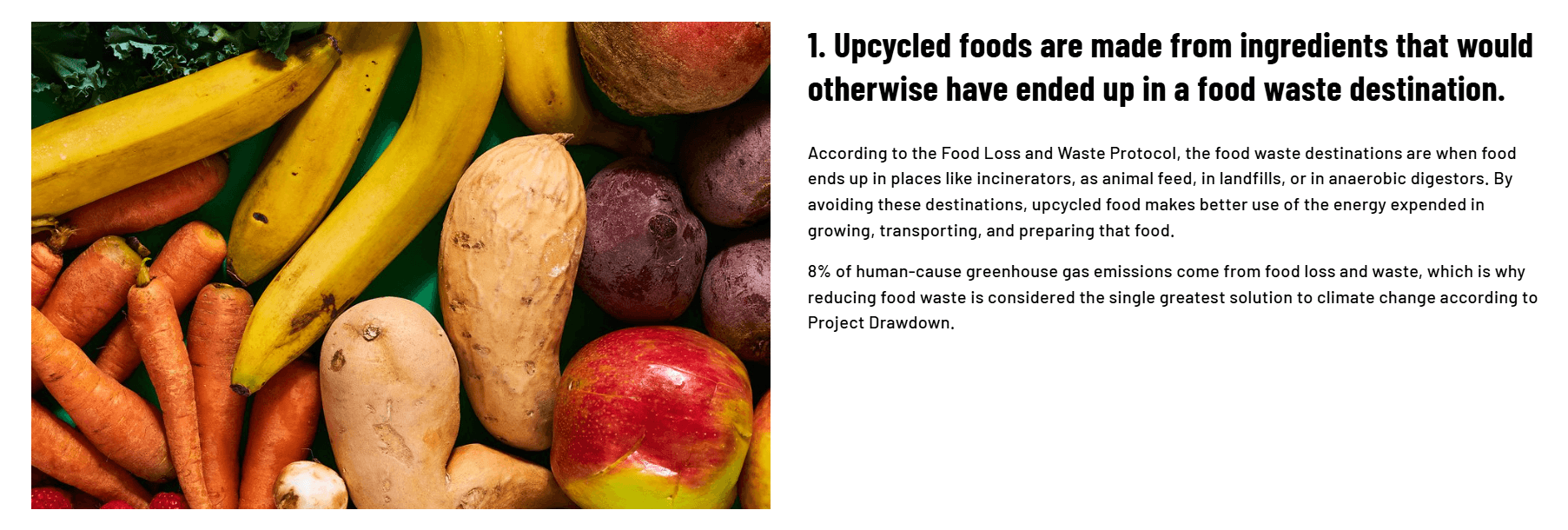
Restaurant owners and food product businesses can use their upcycled certification to tell consumers about ingredient origins and help establish trust and authenticity.
Some other ways to market your brand based on these trends include:
- Sharing your business or restaurant’s steps to tell your sustainability story
- Highlighting your journey into adopting eco-friendly packaging or reducing food waste
- Using your digital and physical materials (menu and location) to tell your story
- Collaborating locally with farms, artisans, or other eco-conscious brands to host events and tastings
- Sharing your achievements, such as the amount of waste reduced or miles saved by sourcing locally
Expanding worldview trends
There is a huge overall movement toward expanding palates and elevating flavors for everyone in the food and industry market. 2026 is poised to embrace this exciting mix of creativity, tradition, and innovation.
Consumers want to experience adventure and unique flavor profiles while keeping health benefits and mindful indulgence in mind. Below are the trends emerging because of that shift.
5. Cultural fusion
Cultural fusion is a melting pot of restaurant industry trends that explore globalization and culinary curiosity. Dishes are being developed that blend traditional ingredients and techniques from multiple cultures, adding novelty and diversity.
Key examples of cultural fusion hitting the market are Korean and Mexican taco fusions and Middle Eastern mashups like shawarma boas and tahini miso dressings.
6. Fermented foods
Fermentation is taking center stage as a way to add complexity, depth, and health benefits to dishes. It is a boost for the gut and flavor. Pickling vegetables and creating kimchi-inspired toppings are health benefits, as fermented foods provide gut-friendly probiotics.
But it is also tasty for consumers, as fermented foods like gochujang, black garlic, and miso butter condiments all have umami-rich flavors and an artisanal appeal.
7. Innovative sweetener options
There are several natural, organic restaurant industry trends that are embracing innovative sweeteners for healthier, natural, and sustainable options for consumers. Emerging options include:
- Natural plant-based sweeteners: High-intensity sweetness without calories can be created from stevia and monk fruit.
- Rare sugars: Allulose is naturally found in figs and maple syrup. It provides sweetness, is low in calories, and doesn’t impact blood glucose levels.
- Upcycled sweeteners: Upcycling is another trend for 2026 within the food industry, so combining that with a healthy sweetener trend can really make headlines. Cacao fruit pulp ticks both of those boxes.
8. Health-conscious indulgence
2026 food and beverage trends are expanding into health-conscious indulgence options for consumers looking to balance wellness and enjoyment. Smaller portions give patrons the option to savor treats without overindulgence.
Another angle to go for is functional foods. Instead of using ingredients with a high fat content, there is a growing incorporation of other ingredients that still have the same nutrition and flavor but are healthier options.
9. Mushroom mania
Mushrooms are a hot ingredient on the food and beverage industry trends board! Lions’ mane and oyster mushrooms are being incorporated into gourmet recipes to enhance flavors and textures. There is also interactivity with ‘wall-to-plate’ practices. Wall-to-plate is where restaurants grow mushrooms on-site and cultivate them as needed.
But mushrooms are not only making a splash for food, but also getting involved in the beverage industry. Mushroom-based cocktails are emerging with innovations such as mushroom and walnut combinations. The cocktail involves combining a fermented liquid mushroom base with infused whiskey and roasted walnuts.
10. Loyalty-driven marketing
One additional trend worth looking at is loyalty-based marketing. In 2026, food and beverage brands can’t rely as heavily on third-party platforms and anonymous traffic as they once did. Rising ad costs and declining organic reach have led these brands to increasingly invest in their existing customer base, using approaches like:
- Loyalty programs (e.g., points, perks, early access, etc.)
- Email and SMS text marketing
- Accounts, subscriptions, and app-based ordering
- Personalized offers (based on previous purchases)
This customer retention approach to marketing has enabled food and beverage companies to reach known customers with more consistency (and lower cost) than they would otherwise be able to do.
How to market to consumers looking to expand their food and beverage experience
These food and beverage trends should be part of an effective marketing strategy that emphasizes education, storytelling, and customer experience. You’ll also want to align your strategy with consumer values like health, sustainability, and adventure.
Here are some tips you can implement for your business:
- Emphasize storytelling and education: Share cultural heritage and the innovation process behind dishes. Use storytelling to connect consumers emotionally to the products, such as emphasizing small-batch production or local sourcing.
- Leverage health and wellness messaging: Highlight the health benefits of fermented foods, low-calorie sweeteners or your mushrooms. Terms such as “clean-label” and “natural” appeal to health-conscious consumers. Back these up with certifications and transparency with your products/dishes.
- Stay on trend with limited editions: Use seasonal and regional specialties by creating a buzz with limited-time products. Get inspired by seasons, holidays, and regional cuisines. Consider partnering with other trending brands and restaurants to co-create fusion and food products.
FAQs about food and beverage trends
What are the top food and beverage trends for 2026?
The top 9 food and beverage trends for 2025 are: 1) Plant-based innovations, 2) Sustainable packaging, 3) Upcycled ingredients, 4) Local and hyper-local sourcing, 5) Cultural fusion, 6) Fermented foods, 7) Innovative sweetener options, 8) Health-conscious indulgence, and 9) Mushroom mania.
How is sustainability impacting food and beverage trends in 2026?
Sustainability is a major driving force, with trends such as sustainable packaging, upcycled ingredients, and local sourcing becoming prominent. Businesses are using biodegradable, compostable, and reusable packaging, as well as incorporating upcycled food byproducts to reduce waste.
What are some examples of plant-based innovations?
Examples include plant-based meats, dairy alternatives, and protein-rich snacks using ingredients like pea protein, jackfruit, and algae. Brands are also broadening their plant-based offerings to include diverse global cuisines.
What is upcycled food and how is it trending?
Upcycled food involves transforming food byproducts and waste into high-value products. Examples include granola bars from leftover fruit juice and chips made from imperfect vegetables. Upcycling helps address food waste while creating nutritious, innovative products.
What is local and hyper-local sourcing?
Local and hyper-local sourcing means prioritizing ingredients from nearby farms and producers to ensure freshness and reduce supply chain distances. Urban farms and vertical gardens supplying restaurants and retailers are part of this trend.
How can food and beverage businesses market toward sustainability?
Businesses can market toward sustainability by telling authentic stories about their eco-friendly practices, displaying eco-certifications, collaborating with local farms and artisans, and sharing achievements such as waste reduction or local sourcing milestones.
What are examples of cultural fusion in food trends?
Examples include dishes that combine traditional ingredients and techniques from multiple cultures, such as Korean and Mexican taco fusions or Middle Eastern mashups like shawarma baos and tahini miso dressings.
Why are fermented foods popular in 2026?
Fermented foods are gaining popularity for their complex flavors and health benefits, particularly gut-friendly probiotics. Popular items include kimchi-inspired toppings, gochujang, black garlic, and miso butter.
What are some innovative sweetener options?
Innovative sweetener options include plant-based sweeteners like stevia and monk fruit, rare sugars such as allulose, and upcycled sweeteners like cacao fruit pulp. These options are healthier, natural, and more sustainable.
What does health-conscious indulgence mean?
Health-conscious indulgence refers to offering treats that balance wellness and enjoyment, such as smaller portion sizes or products made with healthier ingredients and functional foods instead of those with high fat content.
How are mushrooms influencing food and beverage trends?
Mushrooms like lion’s mane and oyster are being used in gourmet recipes and beverages for enhanced flavors and textures. ‘Wall-to-plate’ practices, where mushrooms are grown onsite, and mushroom-based cocktails are also trending.
How can businesses market to consumers seeking new food experiences?
Businesses can focus on storytelling and education about their products, highlight health and sustainability benefits, use limited edition and seasonal items, and partner with other trending brands to create unique offerings.
How big is the food and beverage industry expected to be by 2026?
The food and beverage industry is expected to grow to $8.9 trillion by 2026.
Market for 2026 food and beverage trends with the experts!
Looking to start a marketing campaign to target these food and beverage trends? WebFX is here to help you drive revenue while promoting your business online.
We have over 187+ experts with years of experience in marketing the food and beverage industry. By following these trends and using our industry experience, you can get a marketing approach that helps you stand out in your market and grow your bottom line.
Contact us online or call 888-601-5359 today to get a free, no-obligation proposal!
We Drive Results for Food & Beverage Companies
- 24 million leads generated for clients
- Dedicated account manager backed by 750+ digital experts



Table of Contents
- Consumer mindset trends
- 1. Plant-based innovations
- 2. Sustainable packaging
- 3. Upcycled ingredients
- 4. Local and hyper-local sourcing
- How to market for sustainable consumer
- Expanding worldview trends
- 5. Cultural fusion
- 6. Fermented foods
- 7. Innovative sweetener options
- 8. Health-conscious indulgence
- 9. Mushroom mania
- 10. Loyalty-driven marketing
- How to market to consumers looking to expand their food and beverage experience
- Market for 2026 food and beverage trends with the experts!
- FAQs about food and beverage trends
Solving key challenges for food & beverage companies
Our website isn’t generating enough traffic
Get more eyes on your online menus and food services with effective website optimizations, marketing strategies, and ad campaigns.

We’re not attracting enough new customers to our local restaurant
Need to get more customers in the door for your restaurant? Our team will help you optimize your website and local SEO strategy to help your restaurant appear at the top of the search results when people search for restaurants in your local area.

We’re opening a new service
Launching a brand-new product or opening a new location? Set your business up for success by ensuring your local audience finds you online.

We’re not selling the new food services we offer
Launching a new catering service or other food services? Get your services in front of the eyes of your target audience with revenue-driving advertising campaigns and website design.
