Tech Industry Trends for 2026: 8 Shifts Shaping the Market
Tech Industry Trends for 2026: 8 Shifts Shaping the Market
The top tech industry trends for 2026 include generative AI, cybersecurity, extended reality, robotic process automation, sustainable technology, increased IT leadership, a shift from growth to profitability, and the Internet of Things (IoT). This guide breaks down the eight trends shaping the tech market so you can quickly understand what’s changing and how it affects your business.
insights from 85,500+ hours of technology marketing experience
What is generative AI’s impact on productivity? Generative AI is streamlining mundane tasks like communicating, brainstorming, and writing, with experts noting that most people have four to six tasks that AI can assist with, saving several hours each week.
Why is cybersecurity becoming more critical? As organizations adopt emerging technologies like AI, cybersecurity threats evolve in scale and complexity, requiring constant improvement to manage risks, protect sensitive information, and maintain customer trust in an increasingly digital landscape.
How is extended reality (XR) transforming industries? XR technology (which encompasses augmented reality, virtual reality, and mixed reality) is advancing beyond AR and VR applications to create immersive experiences ranging from virtual concerts and metaverse environments to surgical simulations and enhanced online shopping.
What shift is occurring in tech company priorities? Tech companies are pivoting from growth-focused strategies to profitability-driven approaches, with tighter marketing budgets, performance-based campaigns, revised pricing plans, and increased use of AI tools to maximize efficiency while reducing costs.
How will the Internet of Things (IoT) affect marketing? IoT’s expansion through interconnected smart home devices and wearables creates new advertising opportunities, allowing companies to target customers based on their existing device ecosystems, such as marketing Alexa-compatible products specifically to Amazon Alexa users.
The top tech industry trends for 2026 include generative AI, cybersecurity, extended reality, robotic process automation, sustainable technology, increased IT leadership, a shift from growth to profitability, and the Internet of Things (IoT), all of which are creating new opportunities for businesses and industries to grow.
“Chances are, you have four to six things you do right now that can be assisted by artificial intelligence (AI), saving you a couple of hours each week,” says Dan Shaffer, WebFX Tech Industry Expert and Director of SEO.com. “At the very least, you’ll be more prepared for future AI innovations that change the game for marketing in the future!”
Today, we’re breaking down eight of the top tech industry trends you should be on the lookout for in 2026, categorized into overall industry trends and marketing-specific ones:
Want to stay in touch? Sign up for our email newsletter to get the month’s latest marketing news and insights (including marketing tech trends!) — all delivered straight to your inbox!
Don’t miss our Revenue Weekly emails!
Join 200K smart marketers for the hottest marketing news and insights in your inbox.
Inline Subscription Form
“*” indicates required fields
Tech industry trends
The trends below will offer more insight into where the tech industry is headed in 2026.
1. Generative AI
Kicking off our list of the top technology industry trends to watch out for in 2026 is generative AI.
“Many people think that AI isn’t impacting their life much yet, while others feel like it is on the cusp of changing everyone’s lives forever. The reality right now is definitely in between,” Dan points out. “There are so many ways generative AI can help you in your day-to-day to make you more productive. You just have to be mindful of where those opportunities are.”
Generative AI is already making an impact on a consumer level, shaping how people interact with search results via Google’s AI Overviews.
Expert insights from
Dan ShafferWebFX Tech Industry Expert, Director of SEO.com
The talk about all the things AI is going to completely replace isn’t accurate. However, the processes it can streamline is where everyone needs to focus their energy on. There are so many practical use cases for simple things that can make you 10% to 20% more productive in your day-to-day work.
On a larger scale, generative AI is a tech trend that won’t be going away anytime soon because it continues to allow people and businesses to streamline mundane and menial tasks like communicating, brainstorming, writing, and more.
2. Cybersecurity
While cybersecurity may not seem like a new tech trend, it’s one that the technology industry is putting special emphasis on in 2026. As organizations adopt emerging technologies, cybersecurity becomes more important to:
Manage risks
Protect sensitive information
Improve customer relationships
The scale and complexity of cybersecurity threats and data breaches evolve as new technologies evolve. Think about it. Even now, with the best AI tools, new data security threats have emerged.
As long as technology continues to evolve, cybersecurity will remain a constant tech industry trend because it needs to continue improving to keep everyone’s information secure.
3. Extended reality (XR)
What is Extended Reality?
Extended reality (XR) refers to all technologies that simulate reality, including AR, VR, mixed reality (MR), and everything in between.
Augmented and virtual reality (AR & VR) are two technology trends that have already made an impact on multiple industries, from healthcare advancements to online shopping. But a step up from those immersive technologies is extended reality (XR), a tech industry trend that’s on track to make a big impact in 2026.
From the metaverse to virtual concerts and surgical simulations, the concept of XR technology is already making an impact. As AR, VR, and MR tech continue to evolve and improve, you can bet that XR will continue creeping into everyday life.
4. Robotic process automation (RPA)
AI and machine learning are continuing to evolve and create new use cases. As this occurs, the lines between the two have begun to blur, paving the way for emerging technologies like robotic process automation (RPA). RPA is a tech industry trend that’s changing how businesses complete mundane and repetitive tasks.
Like other automation tools, RPA involves training software programs to execute mundane tasks. Whether you’re gathering data or fielding online customer questions, RPA can significantly increase employee efficiency and productivity.
The majority of companies leading RPA adoption are larger organizations and enterprises (primarily because of the scale of their business processes). Specifically, 31% of all organizations have adopted RPA. As RPA becomes more accessible for small to medium-sized businesses (SMBs) and everyday users, the adoption rate will likely increase. For marketers, AI trends are reshaping audience research, creative testing, and reporting, enabling faster iteration with tighter budgets.
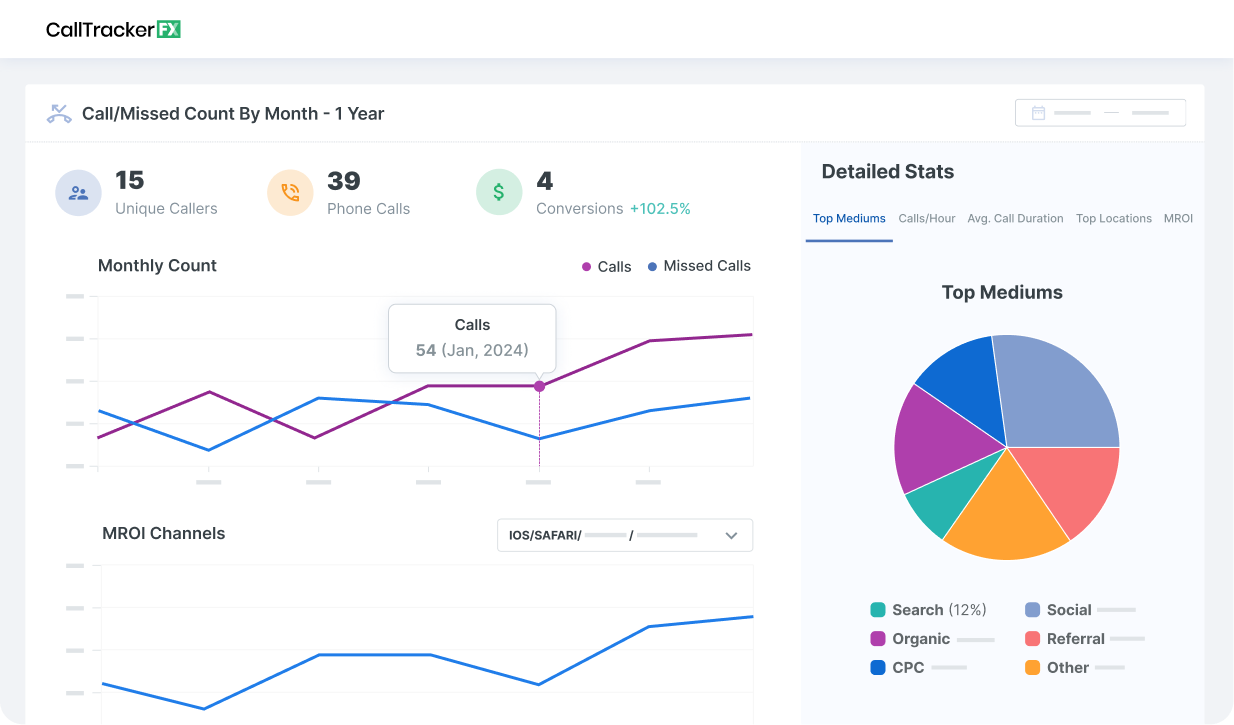
Measuring the metrics that affect your bottom line.
Are you interested in custom reporting that is specific to your unique business needs? Powered by RevenueCloudFX, WebFX creates custom reports based on the metrics that matter most to your company.
Below are some crucial technology marketing trends that can shape how you present yourself to the industry — and your customers. As with the tech industry overall, marketing technology trends for 2026 are being shaped by AI, automation, and shifting customer expectations.
5. Sustainable, “green” technology
The size of the global green technology and sustainability market is expected to reach $62 billion by 2030 (versus 2022’s $13 billion). It’s safe to say sustainable technology will continue to be a key tech industry trend in 2026.
Sustainable technologies go beyond electrification and the use of sustainable materials. Many findings from our latest manufacturing industry trends report focus on circular practices and carbon capture, helping factories minimize waste and reduce emissions. They will include innovations that reduce environmental impact and support decarbonization worldwide.
In fact, the market for carbon removal technologies is projected to be worth $1.2 trillion by 2050. We’re already seeing public initiatives from major tech players to reduce their environmental impacts and carbon footprints.
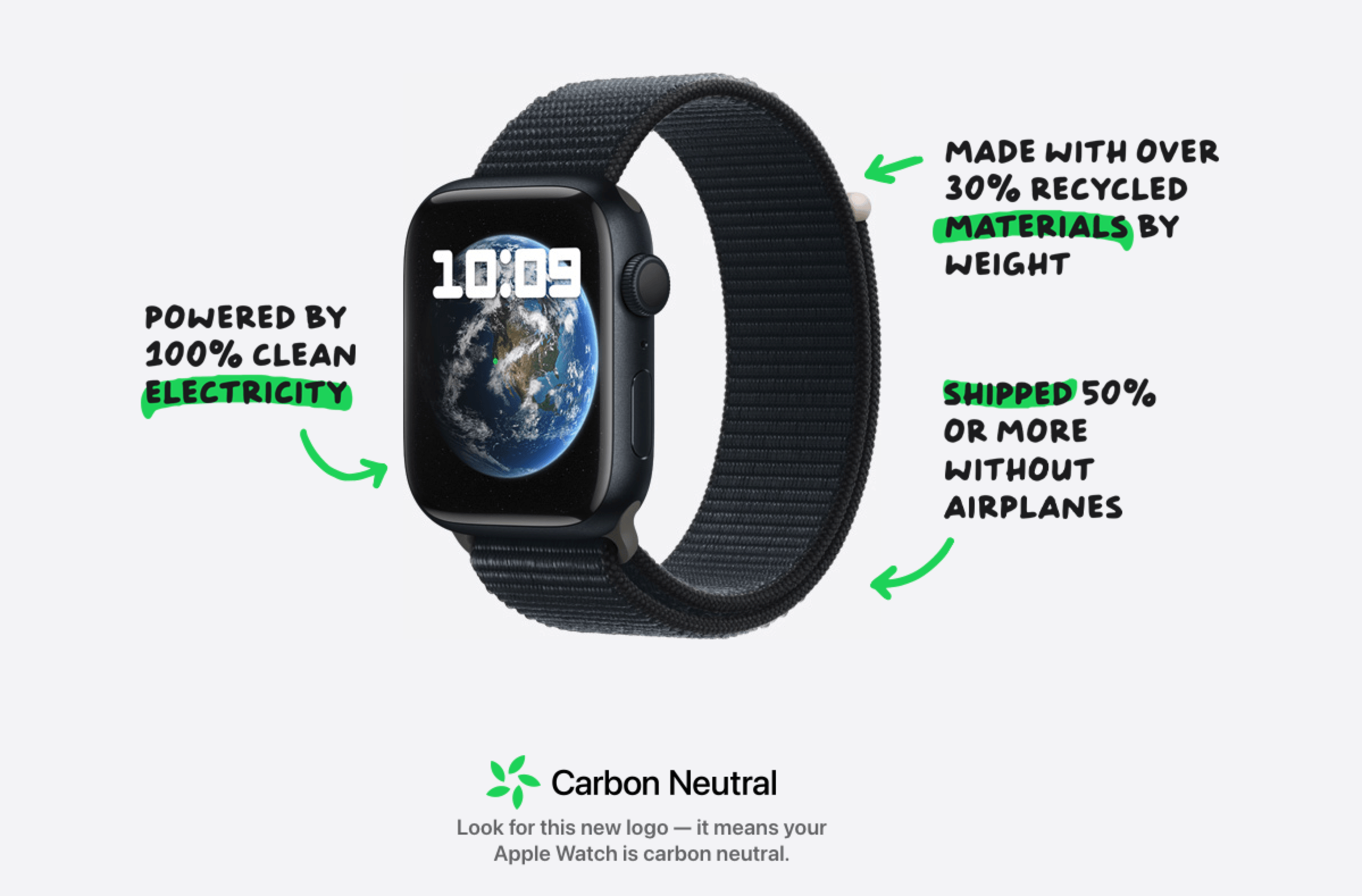
Apple plans to make all of its products carbon-neutral by 2030, while Google aims to achieve net-zero emissions across all of its operations, as well as operate its data centers and offices on carbon-free energy by 2030.
Some of the sustainable technologies we’ll see in 2026 and beyond are the following:
Circular technologies and practices involve optimizing resource use and minimizing waste throughout production and consumption.
Natural climate solutions are nature-based practices that either reduce or sequester greenhouse gas emissions.
Carbon capture, utilization, and storage: This practice captures carbon dioxide emissions directly from sources like power plants and uses them for other purposes.
6. IT leadership
Increased IT leadership is a tech industry trend for two key reasons.
First, as we’ve discussed, technology and its capabilities will continue to advance in 2026. This means it’s even more important for IT professionals to step up and position themselves as central figures within business teams. As teams adopt marketing technology like AI and cloud platforms into their business strategies, IT professionals will need to help facilitate these transitions into more technology-based strategies.
Second, remote and hybrid setups are still very prevalent in modern workplaces. While technical expertise is the name of the game for IT professionals, it will be increasingly important to possess strategic planning and management skills to accommodate physically divided teams while still helping usher in this digital revolution.
7. Shift from tech growth to profitability
Our next tech marketing trend has to do with a shift in mindset from growth to profitability. While the tech industry has always been competitive, there is a stronger focus on profit over growth in 2026.
For example, marketing budgets for tech companies are a lot more dialed in, making performance-based marketing a must. Tech companies are investing a lot into their marketing, and they want to make sure they’re seeing returns on their investment.
Pricing plans are also changing to accommodate profitability. And, teams are pushing to be more efficient with AI tools, which can help companies get more work done with lower costs.
The key takeaway here is that if you aren’t prioritizing and evaluating your budget regularly, you risk falling behind in a high-stakes industry.
8. Advertising for the Internet of Things (IoT)
Internet of Things definition
The Internet of Things (IoT) describes a network of physical devices outfitted with sensors, software, and network connectivity that allows them to collect and exchange data with one another.
The Internet of Things (IoT) refers to interconnected devices on the same network that exchange data and information with each other and other systems and devices over the Internet.
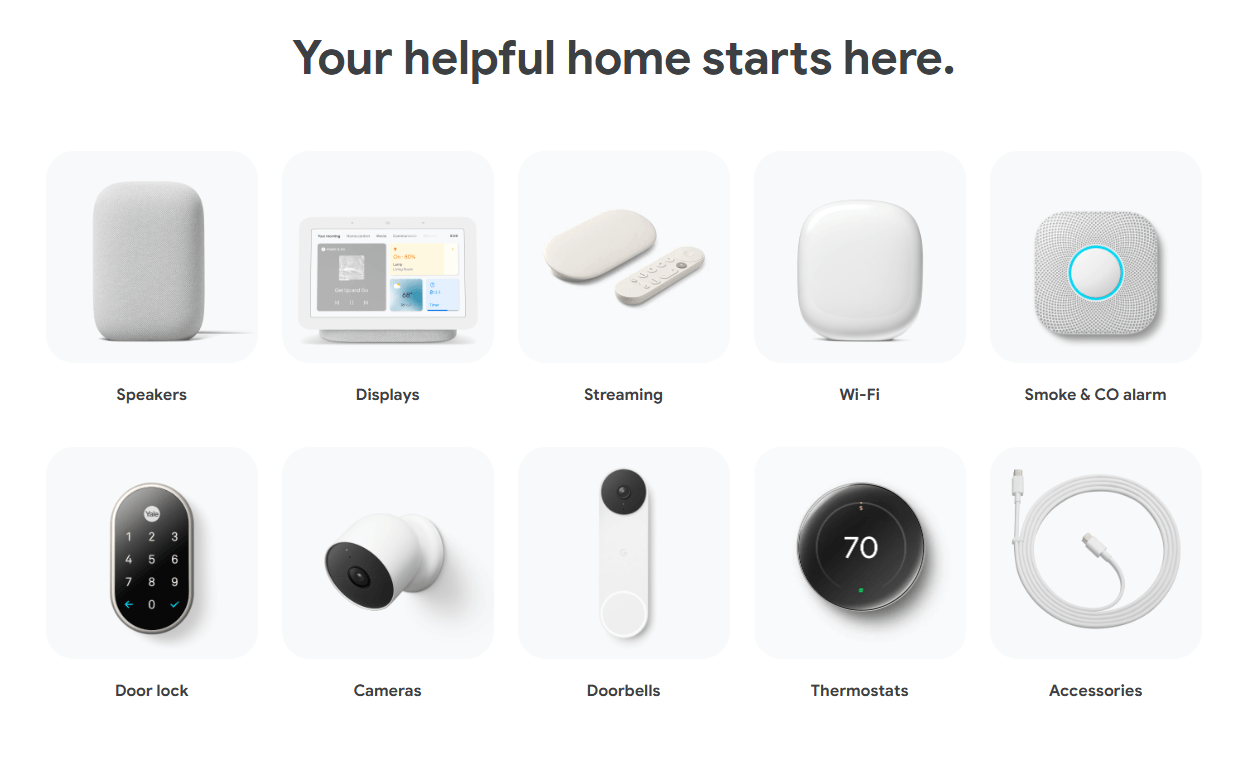
Already, IoT has made a significant impact on consumers, with smart home devices like Google Nest and wearable devices like smartwatches. Customers might want to stick with the brands they know, especially if they’ve already bought devices that they can use together.
And, companies like yours can consider this as you market your product. For example, if you sell a software or app that works with Amazon Alexa, you would want to target people who use the Alexa IoT, as it will impact them directly.
The main tech industry outlook is that IoT will permeate businesses, allowing for safe and efficient data collection and analysis, improved customer service, and more.
The biggest tech industry trends for 2026 include generative AI, cybersecurity, extended reality (XR), robotic process automation (RPA), sustainable technology, IT leadership, the shift from growth to profitability, and IoT advertising.
Generative AI is streamlining tasks like communication, brainstorming, and content creation. It’s also reshaping how consumers interact with search results through AI Overviews and enabling businesses to automate mundane workflows.
Cybersecurity threats evolve alongside new technologies. As organizations adopt AI tools, cloud platforms, and IoT devices, new vulnerabilities emerge. Strong cybersecurity is essential for risk management, protecting sensitive data, and maintaining customer trust.
Extended reality (XR) encompasses all technologies that simulate reality, including augmented reality (AR), virtual reality (VR), and mixed reality (MR). XR is expanding beyond gaming into healthcare, retail, real estate, and enterprise applications.
RPA uses software to automate mundane, repetitive tasks like data gathering, customer service responses, and report generation. Currently, 31% of organizations have adopted RPA, with larger enterprises leading adoption.
After years of growth-focused strategies, tech companies are prioritizing sustainable profitability. This means tighter marketing budgets, performance-based strategies, and using AI tools to improve efficiency and reduce costs.
The Internet of Things (IoT) creates new advertising opportunities through interconnected devices. Customers often stay within device ecosystems (like Amazon Alexa or Google Nest), so marketers can target users based on the platforms they already use.
Sustainable technology includes innovations that reduce environmental impact, such as circular practices, natural climate solutions, and carbon capture technologies. The green technology market is projected to reach $62 billion by 2030.
Meet RevenueCloudFX:
One platform tracking countless metrics and driving stellar results.
Put the latest technology trends into action with WebFX
Now that you’ve learned about the top tech industry trends for 2026, it’s time to put them into action! And who better to team up with for a tech and data-driven marketing campaign than WebFX, a team with its own proprietary marketing technology on hand?
Fueled by over 1+ billion data points, RevenueCloudFX is WebFX’s marketing automation software designed to help you measure the success of your marketing campaigns.
Struggling to bring prospective clients to your website? Our team can help you increase your rankings in search results, meeting your audience when they’re looking for your solutions, so you drive more web traffic, leads, and revenue.
We’re not selling our software or services
Launch data-driven marketing and advertising campaigns with your dedicated WebFX team that reach the people most likely to invest in your solutions. The result? You drive more revenue and help achieve your business’s biggest objectives.
We’re struggling to attract new clients
Are you struggling to build your brand awareness and online visibility so more potential clients find you online? With our suite of digital marketing services, you’ll expand your reach and promote your solutions where your audience spends their time online.
We’re not retaining our clients
At WebFX, our marketing experts help you implement effective strategies and processes that help you deliver an amazing customer experience that builds brand loyalty and keeps your company at the forefront of clients’ minds instead of competitors.

 insights from 85,500+ hours of technology marketing experience