


Contents
- Email marketing fundamentals & strategy FAQs
- Email marketing campaign planning & execution FAQs
- Email content strategy, personalization & engagement FAQs
- Email list building, segmentation, maintenance FAQs
- Email marketing performance, auditing, & best practices FAQs
- Email marketing integrations & cross-channel strategy FAQs
- Want to get started with email marketing?
Get answers to your most common email marketing questions now:
Email marketing fundamentals & strategy FAQs
Get answers to common questions about the basics of email marketing below!
What is email marketing?
Email marketing is a digital marketing strategy that involved sending promotional, personalized, and newsworthy messages to your audience via their email inbox. It’s a highly effective strategy that allows you to get new leads, nurture leads through their buying journey, and build brand loyalty and repeat purchases from existing customers or clients.
What is the difference between direct mail vs. email marketing?
Direct mail and email marketing both encourage target audience members to engage with a company, though they take different approaches. Direct mail uses print materials like brochures and catalogs, while email marketing sends mass commercial messages online.
Should you use email marketing or direct mail?
If it’s possible, a combination of direct mail and email marketing is one of the best ways to reach a massive audience and create as many touchpoints as possible. However, if you have to choose one or the other, email marketing is the way to go.
Both direct mail and email marketing have risks, such as people throwing mail away before reading it or emails ending up in spam folders never to be seen, but both have benefits as well.
Emails have a much higher ROI than direct mail (and it’s easier to track), thanks to the minimal time and resources required to create, distribute, and maintain an email campaign. You’re more likely to reach your intended audience, achieve your business goals, and stay within budget with email marketing.
What are the benefits of email marketing?
Email marketing is cost-effective compared to traditional advertising, easy to create without technical expertise, and allows for personalization and segmentation based on customer data. You can target specific audiences by sending emails to recipients who meet certain criteria, such as location or purchase history, and track performance through metrics like open rates and clicks. The ability to test different email elements helps you continuously improve campaign performance and earn a positive ROI.
What are the main objectives of email marketing?
The six main objectives of email marketing are to inform, attract, engage, guide, nurture, and convert your audience. Inform readers about company updates and new offerings, attract both current and potential customers with testimonials and awards, and engage recipients with images and videos that encourage them to read through your entire message. Guide users to your website with links and buttons, nurture potential customers by staying top-of-mind until they need your services, and convert readers into customers with sales, deals, and coupons.
Why is email marketing effective for businesses?
Email marketing delivers higher ROI than any other digital marketing channel because it reaches a targeted audience that has actively opted in to receive your messages. Most adults with internet access check their email at least once daily, giving you consistent access to engaged prospects. Segmentation and automation features let you send personalized content that moves subscribers through the buying process without manual follow-up for each lead.
Is email marketing push or pull marketing?
Email marketing can be either push or pull marketing depending on how you use it. Unsolicited spam emails that recipients never asked for are push marketing, while opt-in newsletters that provide valuable content to subscribers who voluntarily signed up are pull marketing. Most legitimate businesses should use email as a pull channel to build trust and avoid coming across as spammy.
How can I use email marketing as a pull strategy?
Use voluntary, opt-in newsletters that deliver valuable content to subscribers who have given you permission to email them. Provide users with great free information like limited-time promotions or helpful tips, and they’ll be more likely to sign up for your newsletter. Always include an easy-to-access unsubscribe option so recipients can opt out anytime they choose.
What’s the ROI of email marketing?
Email marketing delivers an ROI of 4400%, for every $1 spend you can earn up to $44 in return. This makes it one of the highest-performing marketing strategies available. Over 3.8 billion people have email accounts, and adults spend an average of 5 hours per day checking work and personal email, giving you consistent opportunities to reach your audience.
Email marketing campaign planning & execution FAQs
Check out FAQs about email marketing campaign planning and executing your strategy here!
What is an email marketing campaign?
An email marketing campaign is an online marketing initiative where a business sends an email (or emails) to one or more subscribers. A successful email marketing campaign persuades subscribers to take action, like visiting your website, purchasing your product, or contacting your company.
How do I create a marketing email?
Choose an email marketing tool like EmailMarketingFX or Mailchimp to help you build and send your campaign. Define your audience and goal, write a compelling subject line, then draft your email content, most studies show emails between 50 to 125 words perform best. Build your email using the tool’s drag-and-drop editor, send yourself a test version to catch any errors, set up an A/B test if you have at least 1,000 subscribers, and schedule your email to send.
How do I write and send my first marketing email?
Start by writing your content before designing anything around it, and have multiple people proofread for spelling and grammar mistakes. Keep your tone human and relatable—mention that you welcome feedback by asking subscribers to click reply with questions or comments. Send your first email during office hours so you can monitor delivery, watch for any technical issues, and respond quickly to any feedback from recipients.
Should I tell my subscribers this is my first email?
You can mention it’s your first email, but don’t spend too much time celebrating the milestone. Instead, use it as an opportunity to ask for feedback or suggestions by saying something like “We welcome your feedback on these messages, so if you ever have questions, comments, or concerns, please click reply and let us know.” This makes your company look open and trustworthy rather than self-congratulatory.
How do I create an email marketing campaign?
Start by defining your goals and building your email list through tactics like gating content, creating exit-intent popups, and producing high-quality content regularly. Then segment your audience by purchase behavior, location, or age, research what topics resonate with them, and design a mobile-friendly email template using 1-2 fonts with your logo. Write concise content (ideally 50 to 125 words), craft an engaging subject line under 15 words that uses personalization or power words, send your campaign at the time that works best for your audience, and track results like open rates and click-through rates using your email management tool and Google Analytics.
What makes an email marketing campaign successful?
Successful email campaigns use audience segmentation, with some businesses seeing significant revenue increases from sending more targeted emails. Keep subject lines concise and engaging with personalization like the reader’s first name or urgency-driving phrases, ensure your email design displays correctly on mobile devices, and always include an unsubscribe link in the footer along with your company contact information.
How do I create an email newsletter?
Start by setting a clear goal for what you want to achieve, then choose or create a template that you’ll use consistently. Add your content, personalize the experience with subscriber names or segmentation, write a compelling subject line, and test the email across different browsers and providers before sending. After sending, monitor key metrics like open rate, click-through rate, and conversions to improve future newsletters.
What should I include in an email newsletter?
Focus on content your audience will actually want to read, like relevant articles, videos, or social posts from your industry. Keep a running list between newsletters so you’re documenting valuable content as you find it rather than scrambling to fill space when it’s time to send. Personalize the experience by segmenting subscribers based on their interests and using relevant call-to-action buttons instead of generic ones like “Click Here.”
What are the different types of email marketing?
The main types of email marketing include welcome emails sent when someone subscribes, thank-you emails after purchases or interactions, newsletters with company updates and educational content, special offers with coupons or discounts, and lead nurturing campaigns that guide customers through each stage of their journey. Each type serves a different purpose, welcome emails introduce your brand, newsletters keep you top of mind, and lead nurturing moves people toward a purchase.
What is an email drip campaign?
An email drip campaign is a strategy for sending emails at the right time over time to reach and convert customers. It requires developing a tailored schedule based on your customers’ needs and behaviors, not just sending periodic messages on your own terms. The goal is to deliver relevant, timely content that nurtures subscribers through their customer journey.
What are the best practices for an email drip campaign?
The five core best practices are: create diverse content that includes product messages, how-tos, promotions, and news; segment your email list to send targeted messages to specific audience groups; use trust signals like reviews and certifications to build credibility; give subscribers options to control email frequency and content preferences; and regularly test different designs, send times, and calls-to-action to optimize performance. Companies that segment their emails effectively have seen revenue increase by 760%.
What is automated email content?
Automated email content is pre-written messaging that gets sent to subscribers based on triggers or schedules without manual intervention each time. This includes welcome sequences for new subscribers, drip campaigns that deliver content over a set period, and personalized messages triggered by user actions. Many automated campaigns are written to sound like personal emails from a real person within your organization, making them feel genuine while saving significant time.
Email content strategy, personalization & engagement FAQs
Curious about email marketing content strategy, personalization, and more? Check out the FAQs below!
What types of content should I include in my marketing emails?
Your email content depends on your business model and audience, but common types include product or service updates, discounts and deals, announcements about new features, educational content like tutorials or tips, automated drip campaigns, and curated links to relevant articles. Ecommerce sites often focus on products and promotions, while B2B organizations typically lean toward educational content that nurtures leads. The key is matching your content type to what your specific subscribers want and what drives your business goals.
How long should a marketing email be?
Most studies have found that emails between 50 to 125 words perform best. Shorter emails typically outperform longer ones, but you should use A/B testing to determine what works for your specific audience. If you want to test a longer format, set up an A/B test to compare a 125-word version against a 250-word version and let the data guide your decision.
How often should I send marketing emails to my subscribers?
There’s no universal ideal frequency, it depends entirely on your audience and needs to be tested. While 35% of marketers send 2-3 emails per month and 61% of consumers enjoy weekly promotional emails, the best approach is to segment your list and test different frequencies to see what produces the best results for your specific subscribers.
Why do subscribers unsubscribe from email lists?
69% of users unsubscribe due to receiving too many emails. Sending emails too frequently makes subscribers feel bombarded, which can damage your overall campaign results even if your goal is to drive more sales.
How long should an email subject line be?
Email subject lines should be as brief as possible while still conveying your message, ideally three to five words. Mobile devices display even fewer characters than desktop email clients, so concise wording prevents your subject line from getting cut off. If you can express an idea in three words instead of five, do it.
What makes a good email subject line?
Effective email subject lines are personalized (using the subscriber’s name or “you”), create urgency, or use humor and cliff-hangers to spark curiosity. Since 47% of subscribers open emails based on the subject line alone, focus on catching attention immediately, try approaches like “FINAL HOURS for today’s sale!” or cliff-hangers that make subscribers want to learn more.
Should I personalize email subject lines?
Yes, personalization improves open rates by tailoring content to specific individuals or groups based on your company’s demographic or firmographic data. For example, a B2B software company might write “3 ways we improved private practice marketing” for healthcare clients and “The #1 upgrade we made to your dealership software” for equipment dealers. This approach shows recipients the information is directly relevant to their industry or needs.
Why should I personalize my marketing emails?
Personalizing emails by addressing each recipient by name makes your communication feel more one-on-one rather than mass-produced. You can also tailor content based on past purchases, for example, highlighting similar products or categories for customers who’ve bought from you before. The more you customize each email to the individual recipient, the more likely they are to return to your site.
How do I personalize my email marketing campaigns?
Start by collecting subscriber data through sign-up forms and surveys, then use that information to tailor your content. Key tactics include addressing recipients by name, using dynamic content blocks that display different information based on subscriber attributes, scheduling sends by time zone, and linking to personalized landing pages. Integrate your email platform with your CRM and ecommerce system to access purchase history and behavioral data, then use automated workflows triggered by specific actions to send relevant messages at exactly the right moment.
Does email personalization improve email marketing results?
Personalized emails help your messages stand out in inboxes that receive hundreds of emails daily. Effective personalization extends beyond using someone’s first name, it includes dynamic content that adapts to subscriber preferences, automated emails triggered by behaviors like cart abandonment or milestone achievements, and product recommendations based on past purchases. For example, Etsy sends confirmation emails that include related items from the same shop, while Hilton sends automated emails when rewards members reach new tiers.
What is dynamic email content?
Dynamic email content personalizes the same email campaign for different subscribers based on their characteristics. Instead of creating multiple separate emails, you send one email that automatically adjusts elements like images, product recommendations, or offers based on each recipient’s demographics, purchase history, or behavior. For example, a clothing store running a shorts sale could show single shoppers photos of individual models while showing families photos with adults and children together.
How do I create dynamic email content that converts?
Start by segmenting your audience using demographics like age, gender, and occupation to determine which content variations each subscriber should see. Use behavioral data to send personalized product recommendations based on past purchases, cart abandonment reminders with saved items, and emails that match where subscribers are in the purchasing cycle. Add countdown timers for limited-time offers and embed autoplay videos to grab attention and drive more conversions.
How do I create emails for every stage of the buyer’s journey?
Create segmented drip campaigns for each stage with distinct goals: awareness emails share educational content and tools, consideration emails include clear CTAs and trust signals, purchase emails feature compelling time-limited offers, and loyalty emails provide personalized recommendations and rewards programs. Every email should provide value, stay under 200 words, and focus on a single goal to keep subscribers engaged throughout their journey.
What are the four stages of the buyer’s journey in email marketing?
The four stages are awareness (new subscribers learning about your brand), consideration (subscribers comparing your offerings to competitors), purchase (bottom-of-funnel subscribers ready to buy), and loyalty (existing customers you’re nurturing for repeat purchases and advocacy). Each stage requires different content approaches, with awareness focusing on education, consideration balancing educational and transactional content, purchase emphasizing compelling offers, and loyalty delivering personalized experiences.
How do I improve email marketing engagement?
Improve email engagement by creating compelling subject lines, segmenting your subscriber list to deliver personalized content, and including one clear call to action per email. Time your sends strategically, use informative headers that build on your subject line’s promise, and consider adding video content, which can boost click-through rates by 300%. The key is relevance, segment your audience so each subscriber receives only the information that matters to them.
What types of email content get the best customer response?
Emails that simplify your customers’ lives or provide actionable value tend to perform best. Examples include “forgot something” follow-up emails with discount codes, how-to guides showing creative ways to use your products, and process-simplifying emails like prescription renewal reminders.
How can I make my email marketing campaigns stand out?
Create personalized, value-driven content that feels unique to each subscriber. Tactics like birthday emails with special offers, custom GIFs showcasing your products, weekly roundups of your latest content, and holiday-specific campaigns can help differentiate your emails from competitors and drive engagement.
Should I brand my marketing emails the same way as my website?
Yes, maintaining consistent branding across your emails and website creates a cohesive experience that helps subscribers instantly recognize your company. Use the same colors, patterns, fonts, and design elements so customers who frequently visit your site immediately know the email is from you when they open it.
What should I do about images in my first marketing email?
Add images to break up text-heavy content, but always include alternate text since images may not load in certain email clients or won’t appear in plain text versions. You can add alt text directly in your email platform or by using the alt=”text” attribute in your HTML code. This ensures subscribers still understand your message even when images don’t display.
Email list building, segmentation, maintenance FAQs
Get answers to common questions about building email marketing lists, segmenting your audience, and more below!
How do I build an email marketing list?
Build an email marketing list by adding sign-up forms to your website header, footer, or as pop-ups triggered at key moments on the page. Encourage customers to opt in for email updates at checkout, and offer incentives like discounts or free content to make signing up more appealing. You can also use social media ads and blog content to attract interested subscribers who want to hear from your business.
What should I offer to get people to sign up for my email list?
Clearly communicate the benefits subscribers will receive, such as the type of content and frequency of emails, or offer an immediate incentive like a valuable ebook, whitepaper, or how-to guide exclusively for email subscribers. Keep signup forms short, asking only for name and email address works best since requesting too much information like mailing addresses or company size can turn people away. You can add social sharing buttons to your emails so existing subscribers can help promote your newsletter to their networks.
Why shouldn’t I buy an email list?
Buying email lists wastes money because the contacts don’t contain active leads who are interested in your products, they’re random people who never signed up for your emails. These purchased lists harm your sender reputation when emails bounce or get marked as spam, causing your future emails to land in spam folders even for legitimate subscribers. People who receive unsolicited emails from your business may also develop a negative perception of your brand.
How do I segment my email list?
Start with basic demographic information like age, gender, and location, then layer in more sophisticated criteria based on your business needs. You can segment by organization size (small business vs. enterprise), position in your sales funnel, behavioral changes (like a previously active customer who hasn’t purchased recently), or past purchase patterns. For example, a pet store could segment customers into dog owners, cat owners, and bird owners to send highly relevant product promotions.
Why should I segment my email list?
Segmentation allows you to deliver content that’s actually relevant to each subscriber, which leads to higher open rates, higher click-through rates, and higher conversion rates. Someone at the top of your sales funnel who just opted in for free information won’t respond to the same messages as someone who’s spent months researching and is ready to buy. Sending a dog food customer an email about birdseed promotions wastes the opportunity to connect with what they actually care about.
Should I send emails to people who abandon their shopping carts?
Yes, sending cart abandonment emails can recover potential sales from customers who added items to their cart but didn’t complete the purchase. These reminder emails prompt leads to revisit their carts and reconsider buying items they were already interested in. Cart abandonment emails work because customers often need more time to think about a purchase rather than having completely lost interest.
How do I segment emails by shopping cart abandonment?
Send reminder emails to shoppers who added items to their cart but didn’t complete their purchase, since 68% of shopping carts are abandoned. A friendly reminder that their products are waiting can recover sales from people who were distracted or didn’t have payment information ready at the moment.
How do I know if my email subscribers are high quality?
Quality subscribers are real people with valid email addresses who actively engage with your content, not spam traps, recycled addresses, or invalid emails entered by mistake. You can maintain list quality by running your email list through verification tools like NeverBounce, BriteVerify, or Kickbox once every three months to eliminate spam traps and invalid addresses that hurt deliverability rates.
How do I maintain a healthy email marketing list?
Maintain a healthy email list by monitoring engagement and removing subscribers who haven’t interacted with your emails in three to six months. Remove email addresses that consistently bounce, nonexistent addresses, and generic role accounts like [email protected] that aren’t real subscribers. Clean your list every three to six months and use list cleaning tools like NeverBounce or Kickbox to automate the process.
Email marketing performance, auditing, & best practices FAQs
What are email marketing best practices?
Email marketing best practices include building your subscriber list organically through opt-in forms, personalizing each email with the recipient’s name, and including clear calls to action. You should also choose an automation platform that enables segmentation and scheduling, monitor your metrics to see what’s working, and always include an unsubscribe option at the bottom of every email.
What are the best email marketing tips?
The most effective email marketing tips include making it easy to subscribe, creating a consistent schedule, maintaining brand consistency, testing different elements, making emails shareable, optimizing for mobile, including clear calls to action, and tracking key metrics. Testing features like subject lines and send times through A/B testing allows you to determine what resonates with your audience and optimize campaigns for higher engagement. These strategies help you reach more customers while avoiding common pitfalls like inbox overload or poor mobile display.
What is the best time to send emails?
The best time to send marketing emails is between 9:00 a.m. and 12:00 p.m., followed by 12:00 p.m. to 3:00 p.m., when 58% of adults check their email first thing in the morning. However, the optimal send time depends entirely on your specific audience, nurses working third shift, for example, might engage more at 10 p.m. than 10 a.m. Test different timeframes with your subscribers to find what drives the highest open and click rates for your list.
What are the best days to send emails?
Tuesday through Thursday are generally the best days to send marketing emails, as people typically check their inbox before starting work on these days. Weekend emails can also perform well since fewer businesses send campaigns on Saturday and Sunday, giving your message less competition in the inbox. The ideal day varies by audience, so track your email performance across different days of the week to identify patterns.
Why does email send time matter?
Sending emails at the right time maximizes engagement by reaching subscribers when they’re most likely to open and click. If you send a promotional email at 10 p.m. when half your audience is asleep or unwinding at home, they’re less likely to engage, which can increase unsubscribe rates and hurt your sender reputation under Google’s email guidelines. Proper timing helps you earn more opens, clicks, and conversions from every campaign you send.
What is an email marketing audit?
An email marketing audit is a systematic review of your email campaigns to identify what’s working and what needs improvement. You analyze factors like your email tools, messaging, design, subscriber lists, and performance metrics to optimize for better conversions. The frequency of audits depends on your business size and goals, but regular audits help you save time and money by focusing on tactics that drive results.
How do I conduct an email marketing audit?
Start by evaluating your email content types (marketing, transactional, and automated emails) and checking which topics get the highest engagement rates. Next, review your email platform to ensure it automates tasks and integrates with your website, examine your sending schedule and workflow to catch inefficiencies, and clean your subscriber list by removing bounced addresses and unengaged contacts. Tools like NeverBounce can help verify email addresses, and tracking KPIs like open rates, click rates, and conversion rates will show you where to focus your optimization efforts.
Why should I perform an email marketing audit?
Email audits reveal actionable data about what’s driving conversions and what’s wasting resources in your campaigns. Since emails generate 50% more sales than other marketing strategies, optimizing your approach through regular audits helps you build stronger customer relationships and drive more revenue. Audits also help you improve open rates, increase site traffic, and encourage more purchases by identifying gaps in your current strategy.
What is A/B testing in email marketing?
A/B testing in email marketing is the process of creating and sending two variations of an email campaign to two subscriber subsets and then determining which version performs best. Companies use this method to understand their subscribers better by testing elements like subject lines, CTAs, or delivery times. You limit tests to one element at a time so you can pinpoint exactly which change influenced your results.
What can I test in an email?
You can test subject lines, personalization, images, length, layout, CTAs, and offers. For the best results, limit your A/B tests to one element at a time — for example, experiment with two variations of your subject line instead of testing both subject line and CTA simultaneously. This approach makes it easier to determine which specific change influenced your results.
How do I start A/B testing my email campaigns?
Start by picking one element to test (like your subject line or CTA), then determine how you’ll measure success with a specific metric like open rate or click-through rate. Finally, decide who you’ll test, you’ll generally want at least 1,000 subscribers in your test to get statistically significant results, though smaller lists can still benefit from A/B testing as they grow.
Email marketing integrations & cross-channel strategy FAQs
Wondering about how email marketing fits in with other marketing channels? Get the answers to those FAQs here!
What email marketing tools should I use?
EmailMarketingFX, Mailchimp, and Campaign Monitor are solid options that help you build, send, and manage campaigns while tracking performance. These tools provide email builders that don’t require HTML knowledge, let you segment subscribers, create drip campaigns, and measure results. Investing in email marketing software saves time and money compared to managing campaigns manually.
Should I use chatbots or email marketing for my business?
You don’t have to choose between them. Both chatbots and email marketing deliver strong results and can work together to create multiple touchpoints for your audience. Chatbots excel at providing instant, 24/7 responses to common questions, while email marketing reaches people directly in their inbox with personalized promotions and content.
How can you use email marketing to improve content marketing?
Use email marketing to promote your best content directly to subscribers who have opted in to hear from you. Start by selecting relevant, high-value content, then include visually interesting links and calls to action in your newsletters that guide readers to specific pages on your site. Tailor your emails based on subscriber demographics and behavior, then use A/B testing and analytics to refine which content generates the most clicks and conversions.
Why is email marketing important for content marketing?
Email marketing delivers the highest ROI of any marketing channel – for every $1 spent, you can potentially earn $40. Email also has higher conversion rates per session than search and social media combined, and your messages are 45 times more likely to be seen compared to content on social platforms. Since subscribers have actively opted in to hear from you, email helps build the authentic relationships that content marketing aims to create.
Which digital marketing strategy, email or SMS marketing, is better for my business?
There isn’t a definitive answer to whether email or SMS marketing is better, as the ideal choice depends on your specific business goals, budget, and desired outcomes. Both strategies effectively engage audiences and maintain brand visibility; for instance, email marketing boasts a significant return on investment of $44 for every $1 invested. Many businesses find that combining both email and SMS in their marketing plan yields the best results.
What type of content should you promote in email marketing campaigns?
Promote content that provides direct value and is relevant to your subscribers’ specific interests and needs. Choose material that grabs attention and clearly expresses the benefit readers will gain, like how-to guides or resources that solve a problem they’re facing. Use your email platform’s targeting capabilities to tailor content based on demographics, lead status, and previous site behavior so each subscriber receives content aligned with their interests.
How can email marketing improve SEO?
Email marketing improves SEO by driving traffic to your content, earning backlinks from authority sites, and gathering user feedback that reveals new keywords. Sharing your blog posts and other content with email subscribers increases page views and time on site, which are positive signals to Google. You can also use email outreach to connect with industry authority sites and earn backlinks that boost your website’s credibility.
Can email marketing help me get backlinks?
Yes, email marketing helps you earn backlinks by allowing you to reach out directly to authority sites in your industry. You can email these sites to share valuable content you’ve created, and if they find it useful, they may link to it within their own content. These backlinks from established sites increase your website’s trust and authority in Google’s eyes.
Is email or social media more effective for engaging with customers?
Neither is definitively better, they excel at different things. Email marketing delivers higher ROI and drives more direct sales, while social media is better for building relationships and creating brand awareness through direct engagement. The most effective strategy uses both channels together, with social media nurturing relationships earlier in the funnel and email converting those relationships into sales.
How do I build an email marketing strategy?
Start by choosing an email marketing platform with list management, automation, and analytics features. Build segmented subscriber lists through website opt-in forms that offer clear incentives (like discounts or free resources), then create automated drip campaigns to deliver timely, relevant content based on each subscriber’s position in the sales funnel. Continuously test elements like subject lines, calls to action, and send times to improve your open and conversion rates over time.
Want to get started with email marketing?
Ready to launch an email marketing strategy with the help of an experienced agency like WebFX?
Check out our email marketing services or contact us online to learn more about how we can help you launch a campaign that drives revenue for your business!
-
 Abby is a Sr. SEO Consultant at WebFX, where she implements, optimizes, and tracks SEO and digital marketing strategies that are powered by data for WebFX. With certifications in SEO, Local SEO, and Google Analytics, Abby has implemented hundreds of optimizations and led strategies and initiatives that have helped WebFX improve online visibility, traffic, and leads. Before her time as a Digital Marketing Analyst, Abby was an innovative content writer who created content for WebFX clients in various industries and for WebFX’s own blog and website. When she’s not implementing strategies and optimizations that drive leads and revenue, you’ll find her walking her dog, travelling around Europe, or watching her favorite reality TV show. View full profile
 -

WebFX is a full-service digital marketing agency delivering revenue-driving strategies across online advertising, SEO and AI search optimization, and digital marketing. Backed by 1,100+ client reviews, a 4.9-star rating on Clutch, and proprietary revenue-tracking technology, our team helps businesses grow visibility and revenue across platforms, from Google to ChatGPT to LinkedIn. Discover how our expert team and revenue-accelerating tech can drive results for you. Learn more

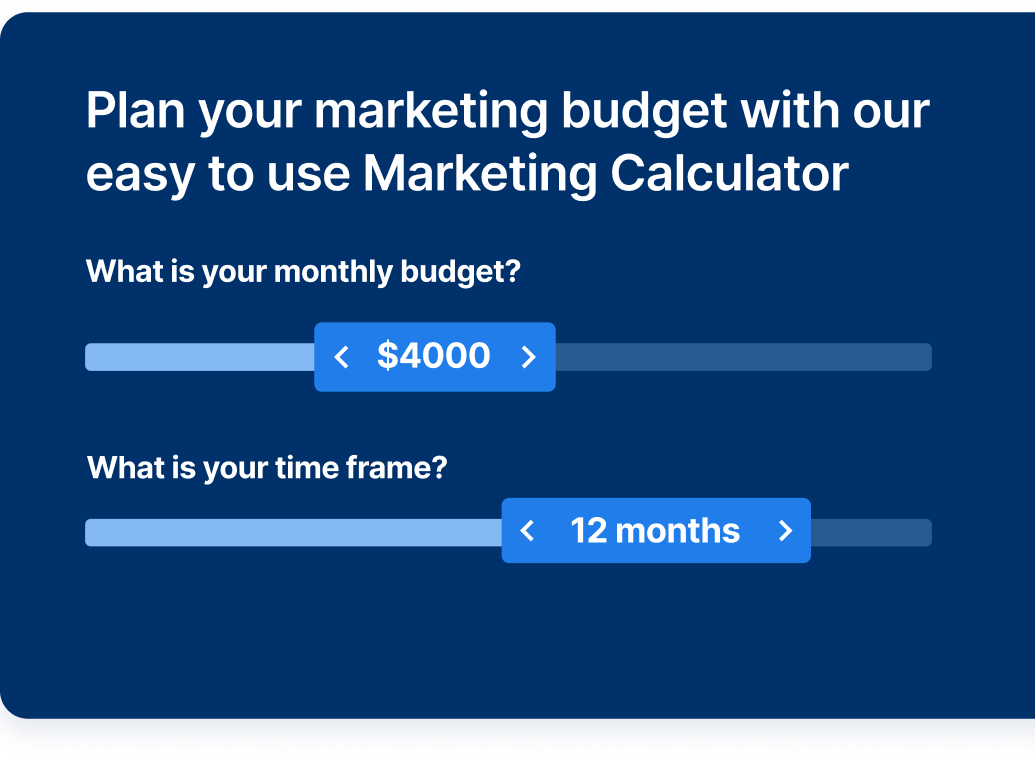
Try our free Marketing Calculator
Craft a tailored online marketing strategy! Utilize our free Internet marketing calculator for a custom plan based on your location, reach, timeframe, and budget.
Contents
- Email marketing fundamentals & strategy FAQs
- Email marketing campaign planning & execution FAQs
- Email content strategy, personalization & engagement FAQs
- Email list building, segmentation, maintenance FAQs
- Email marketing performance, auditing, & best practices FAQs
- Email marketing integrations & cross-channel strategy FAQs
- Want to get started with email marketing?
Share this article


Try our free Marketing Calculator
Craft a tailored online marketing strategy! Utilize our free Internet marketing calculator for a custom plan based on your location, reach, timeframe, and budget.