How to Hire SEO Experts Who Deliver Results (with Free Checklist)
How to Hire SEO Experts Who Deliver Results (with Free Checklist)
Hiring SEO professionals can feel like a leap of faith. It doesn’t have to. Here’s how to screen SEO experts and hire one who can support your goals with a clear plan.
Start by identifying the kind of SEO help you need. An SEO expert might be a freelancer, an in-house specialist, or an agency, and the right fit depends on your goals, workload, and level of support.
Determine your working SEO budget. Set a realistic budget based on your goals.
Evaluate SEO experts based on strategy, communication, and reporting. The strongest candidates should explain what they’d prioritize, why it matters, and how they will measure progress.
Ask questions before you hire anyone. A few strong questions can help you compare providers and understand how they define success, solve problems, and adapt over time.
Watch out for red flags. Guaranteed rankings, vague answers, and one-size-fits-all recommendations are signs of low-quality SEO services.
The right SEO support can help your business improve rankings, attract qualified traffic, and drive growth over time. If you’ve hired an SEO agency or freelancer in the past and didn’t get the results you expected, you may feel more cautious about making the same investment again.
To find the best SEO expert for your business, our top three tips are:
Determine your SEO goals and budget before you hire.
Evaluate candidates based on how they communicate, build strategy, troubleshoot, and report results.
Ask questions to understand how they approach SEO in your industry and adapt in your niche.
Before evaluating providers, it helps to align on what an “SEO expert” can look like in practice. An SEO expert can be a freelancer, in-house SEO professional, or an SEO agency. The right choice often depends on how much support you need and how your internal team is structured.
Below is a practical way to think about the three most common options:
Freelancers: Best for defined scopes of work
Freelancers can work well for defined scopes, audits, or tactical execution. They’re often effective when SEO needs are narrow and expectations are clearly set.
They tend to fall short as complexity increases. SEO often requires coordination across content, development, analytics, and other marketing efforts.
When the coordination work increases, a freelancer may be pulled in different directions and stretched thin, as they lack the bandwidth, tools, and cross-functional support.
In-house SEO: Best for organizations with large volumes of SEO work
An in-house SEO hire offers close alignment with internal teams and greater day-to-day control. This model can work well for organizations with the budget and workload to justify a full-time role focused on SEO.
For example, large ecommerce brands with thousands of product pages or media companies publishing high volumes of content often benefit from having in-house SEO teams. In these environments, SEO touches nearly every team (content, development, product, and analytics), making close internal collaboration especially valuable.
The tradeoffs include ramp time, limited coverage outside the individual’s core skill set, and reliance on a single perspective, especially as search algorithms, content formats, and reporting expectations evolve.
Agencies: Best for businesses that need access to various specialists
Agencies provide scale, established systems, and access to multiple specialists. They’re often better equipped to handle technical SEO, content strategy, analytics, and ongoing optimization in parallel as algorithms and the search landscape evolve.
The effectiveness of an agency partnership depends on process maturity, communication, and how well the agency aligns its work with your business goals. Strong agencies act as strategic partners, not just execution vendors.
How to evaluate SEO experts without getting misled
Most SEO agencies look qualified at first glance. The real differences show up when you ask the right questions and know what to look for before you sign a contract.
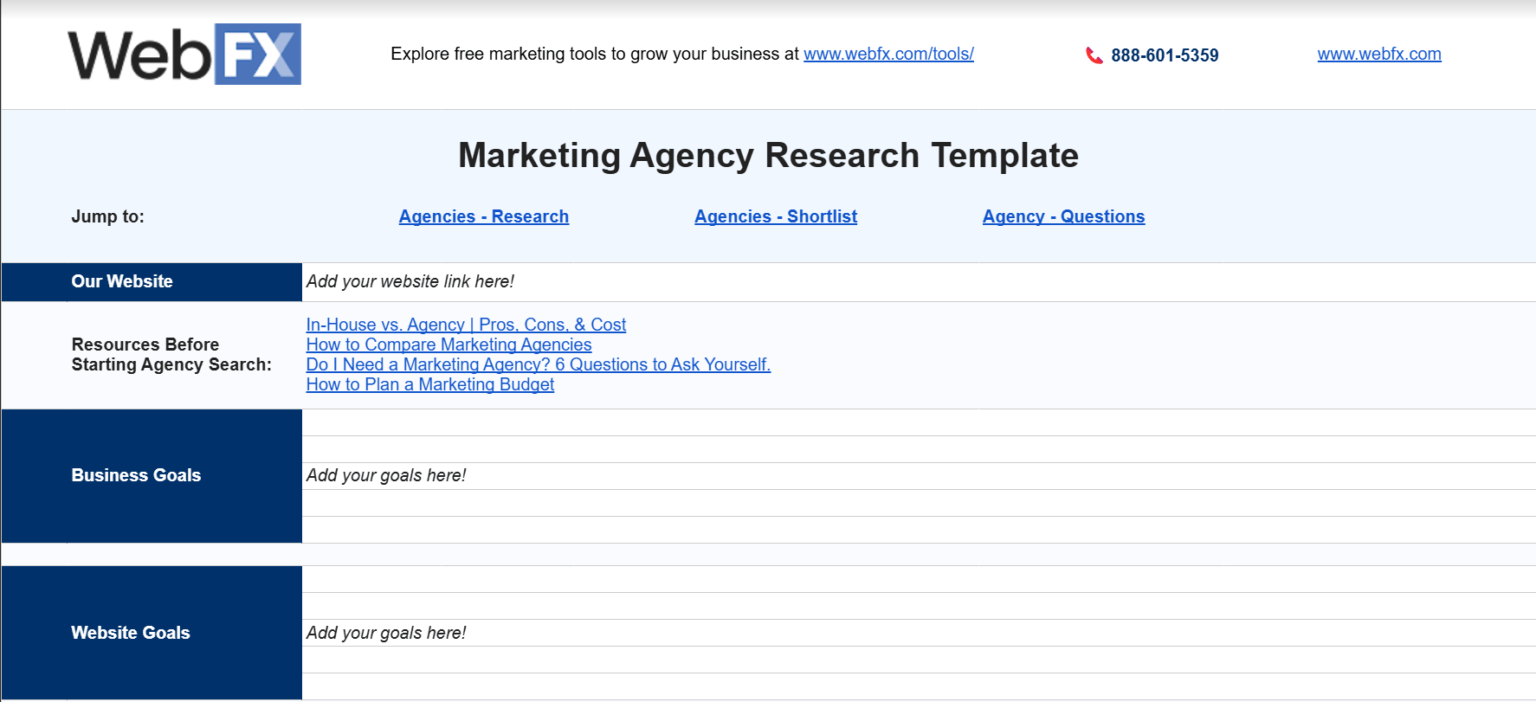
Use the steps below while you’re evaluating SEO experts (during sales calls, proposal reviews, and site research) to understand how they work and whether they’re set up to deliver results for your business. You can also download our checklist below!
Before you talk to agencies, clearly define your SEO goals. What do you want your SEO efforts to achieve?
Rankings and traffic can be useful indicators, but they’re not goals in themselves. What matters is how SEO drives qualified leads, sales inquiries, or revenue growth over time.
Here’s what you can do:
Write down one to two business goals you want SEO to support: If you’re marketing SaaS for dental clinics, an example of a business goal is increasing demo requests from organic traffic.
Decide what progress would realistically look like in the first six to 12 months: Early progress might mean improved visibility for branded keywords or better lead quality.
Here’s what you can ask an SEO expert:
“How would you define success for a business like ours?” SEO professionals must be able to tie results to your business goals and not just rankings or traffic. They must consider sales inquiries and demo requests from organic search traffic, and even revenue influenced by organic traffic.
“Which metrics would you prioritize, and why?”: Be cautious if the answer focuses only on site traffic metrics. Look for explanations that connect metrics to decision-making and long-term growth.
Pro tip: Be cautious if an agency focuses only on rankings, total traffic, or impressions without explaining how those numbers support your business goals. Those metrics can be useful, but they don’t tell you whether SEO is actually working.
2. Determine a realistic budget aligned with your goals
Another thing businesses must clearly define before speaking with and evaluating an agency is their budget.
“The common best practice that shouldn’t necessarily be avoided, but reframed is budget,” Sarah B., Lead SEO Consultant at WebFX, points out. She shares that businesses typically set a budget, but the figure isn’t realistic given what they’re trying to accomplish.
She explains: “These budgets are either based on past spend (even though companies are hiring an agency because they’re unhappy with their current partner’s performance) or based on too-good-to-be-true pricing that’s promoted in ads and on websites.”
So how should businesses approach this? Sarah’s tip is to know your “number” for what would make your partnership with an SEO expert profitable. This number could be either in qualified leads or online sales.
Sarah explains: “For example, do you require 55 qualified leads per month or $25,000 in online sales to justify your SEO spending? Get aligned on those numbers when you’re hiring an SEO expert.”
3. Look for strategy, not just a list of tasks
Strong SEO experts can explain why certain work comes first, what will have the biggest impact, and what can wait. Their recommendations should feel specific to your business and not recycled from a template.
“In the vetting process, find out if they understand your industry,” advises Sarah. “It’s important that they speak the language of your industry and they must have the reviews and case studies to back their credibility up,” Sarah explains.
Here’s what you should look for:
Recommendations that are tailored to your site, industry, and goals
Clear explanations of why certain actions matter now
An SEO roadmap tailored to your goals and what you must expect at different stages
Here’s a list of what to ask and how you can evaluate their responses:
“How do you decide what to work on first?”: An SEO expert explains priorities and tradeoffs, and not just a checklist of tasks. Agencies usually start with an SEO audit that can help them identify quick wins before moving onto bigger optimization tasks.
“What would you prioritize in the first few months, and why?” Be wary of vague responses or promises that sound identical across industries.
4. Pay attention to how they communicate
How an SEO expert communicates during the sales process is often how they’ll communicate after you hire them.
Good SEO partners explain things in plain language, answer questions directly, and adjust their explanations based on your level of experience. They’re also comfortable slowing down when something isn’t clear.
In addition, good SEO agencies will be transparent with you when they don’t have all the answers.
5. Evaluate reporting before you ever see a report
You need to understand how an agency thinks about reporting and SEO success. Reliable SEO experts talk about reporting as a tool for decision-making, not just a record of activity.
Sarah advises that the SEO expert you’re evaluating must have case studies to back up their understanding of your industry and SEO in general. “Do those case studies align with your language for success? Remember, your north star metric is qualified leads, not traffic.”
If reporting is framed as something that’s delivered rather than discussed, it often becomes a formality instead of a planning tool.
When an SEO expert explains their reporting approach, listen for whether they:
Talk through how they review performance, not just what they report
Look at other metrics beyond traffic
Explain how trends or changes influence priorities
Describe specific actions they take based on results
Reference ongoing discussion, not one-way reporting
6. Ask how they handle processes and change
This is an important one. Successful SEO strategies have robust systems in place to ride the waves of change in SEO and your industry.
SEO is always evolving. And your business may pivot strategies to adapt to industry shifts like AI Overviews and algorithm updates.
Professional SEO agencies must be able to adapt to trends throughout your partnership and still deliver results.
Expert insights from
Sarah B.Lead SEO Consultant, WebFX
“Ask what they’ve been doing in response to AI search. Not what they’re doing now, but what they have been doing. You want an agency that leans into these changes by choice, not by force.”
Agencies that focused on AI search in 2025 or 2026 are late in the game. We at WebFX have been doing AI search optimization for a few years now, which gives our clients a competitive advantage over their competitors investing in agencies that are new to AI search.
Here’s what you can ask them:
“How do you onboard new clients?” This question reveals their process (or lack thereof) when you hire them. They must have a solid onboarding system that keeps you in the loop and considers how involved you want to be in the SEO activities.
“How do you handle website changes or shifting priorities?” SEO experts must be able to explain how they adapt their strategy while keeping goals and timelines in mind.
“How do you approach AI search optimization and new search trends?” Look for SEO experts who have been doing AI search optimization earlier than 2025. They must also explain how their team stays up-to-date on the latest algorithm updates and search trends.
6. Watch out for red flags early
Some warning signs are easy to spot during early conversations. Watch out for these:
Guaranteed rankings or timelines
Heavy jargon without clear explanations
Tactics presented without tying them to your business goals
Vague answers to direct questions
One-size-fits-all recommendations
Questions to ask before hiring an SEO agency
Once you understand what to look for in an SEO partner, the next step is putting that framework into practice. We have listed and grouped the questions below to help you get started as you compare SEO agencies and evaluate whether their approach aligns with your goals.
You don’t need to ask every question. Use the ones that help you feel confident about how an SEO expert thinks, communicates, and plans to deliver results.
These questions help you understand how the expert thinks about SEO, not just what they plan to do.
“How would you approach SEO for a business like ours?” Look for answers that reflect your goals, industry, and current challenges.
“How do you decide when to change priorities?” SEO experts must explain how various factors (such as performance, constraints, or new information) influence strategy over time.
These questions help you evaluate how easy the agency will be to work with.
“How do you typically communicate progress and updates?” Find out if they have regular cadence, format, and discussion regarding performance reporting.
“What do you need from our team to be successful?” When you hire an SEO expert, you work together as a team. Good SEO agencies are upfront about collaboration, responsibilities, and limitations.
These questions reveal how the agency responds when things don’t go exactly as planned.
“Can you walk me through a time when results didn’t go as planned and what you changed?” SEO pros would cite specific examples, explain what signals prompted action, and show how their strategy evolved. Look for accountability and problem-solving, not blame or deflection.
“What usually changes as an SEO campaign matures?” SEO experts would typically explain that priorities, metrics, or focus evolve over time based on performance and their clients’ goals.
Find out if an SEO expert has the agility to handle real-world changes.
“How do you handle website changes or shifting priorities?” Experienced SEO professionals know that their clients’ goals and priorities may change over time. They must explain how they reassess strategy, ask follow-up questions, and adjust recommendations based on new directions. Be cautious if an agency treats changes as an inconvenience instead of an expected part of the partnership.
“What challenges do you anticipate with SEO for our business — and how would you approach them?” This question reveals how an SEO expert identifies risks and constraints upfront. You’d want honest, specific answers paired with a clear plan for addressing challenges.
Choosing the right SEO partner for your business
Once you’ve evaluated SEO experts and narrowed your options, the final decision often comes down to fit.
At this stage, you’re likely choosing between providers who are all capable. What matters most is how well their approach aligns with your business.
As you decide, consider:
Whether the agency understands your growth stage, constraints, and budget realities
How comfortably you can communicate and collaborate with their team
How much strategic guidance versus hands-on execution you actually need
The right SEO partner helps you understand what’s realistic within your resources (which include time and budget) and how to prioritize work to support your goals over time.
The most effective SEO partnerships are built on shared expectations, clear communication, and a working rhythm that supports long-term growth. In that context, the best agency is often the one that fits your business best.
If your focus extends to AI-driven search visibility, you may also need to consider generative engine optimization (GEO). GEO focuses on improving your brand’s visibility in AI-generated answers from platforms like ChatGPT, Perplexity, and Google’s AI Overviews.
While GEO builds on strong SEO foundations, evaluating a GEO partner requires different criteria. Our guide on how to choose a GEO agency walks through the specific evaluation factors, red flags, and questions to ask when vetting agencies for AI visibility.
Yes. Many businesses hire SEO experts while their website, offerings, or messaging are still evolving.
SEO professionals expect this. Rather than waiting for everything to be “finished,” they help identify priorities, audit what’s already in place, and adjust strategy as your business evolves. This may include recommending technical fixes, improving existing content, or aligning SEO efforts with broader marketing updates.
What matters most is being transparent about where things may change. A good SEO partner will ask questions, adapt recommendations as needed, and help you stay focused on long-term growth, even as details shift along the way.
An SEO expert helps improve your visibility in organic search so the right prospects can find your business more easily. Their work can include:
Keyword research
SEO audit
Technical SEO
On-page SEO and content recommendations
Off-page SEO
Link building
Regular reporting
An SEO expert should also explain what they are prioritizing for your site, why they matters, and how the work supports your larger goals, such as qualified traffic, leads, and sales.
The right choice depends on your goals, resources, and how much support you need.
An in-house SEO specialist can make sense if your business needs ongoing SEO leadership and has the time, budget, and cross-functional support to keep that work moving. An agency often makes more sense if you want access to broader expertise, such as technical SEO, content, analytics, and strategy, without building a full internal team.
If your marketing team is small, an agency can help you move faster across multiple priorities. You can read our full comparison about in-house vs. marketing agency.
SEO takes time. In many cases, businesses may start seeing early results in three to six months, but the timeline depends on factors like your site’s current condition, competition, industry, content quality, and how quickly recommendations get implemented.
More competitive markets or websites with technical issues may need longer before you see stronger gains. That’s why you should look for an SEO expert who sets realistic expectations and explains what progress should look like at each stage.
You should also be cautious if an SEO provider avoids explaining their process or hides their process altogether. If an SEO professional bombards you with jargon, promises fast results, or cannot show how their work ties back to your business goals, chances are, hiring them is risky.
If the process leaves you confused about priorities, reporting, or ownership, it’s typically a sign to keep looking. These issues often lead to wasted budget, weak execution, or low-quality SEO services.
“The most sophisticated trap that a business owner falls into is their budget,” says Sarah. Businesses typically have an SEO budget range that’s about the same as what they’re currently paying, but they’re unhappy with the results or service.
Then, they’ll turn down SEO experts who charge more than that, even though these agencies and consultants can give them their desired results in visibility, leads, and revenue. Businesses then opt for ineffective SEO agencies and become jaded by the whole strategy.
“That’s not to say that companies should ignore the price tag or assume that a more expensive SEO agency is a better agency,” Sarah warns. “What they need to ask themselves, though, is ‘Am I making this decision solely on budget?’”
Instead of hiring an SEO expert based on budget alone, businesses must evaluate why they started looking for SEO help in the first place and what they’re trying to accomplish.
“A reframe, or even a question, that businesses can pose to SEO professionals is ‘what kind of ROI can I expect?,’” Sarah advises. “Or stating the number of leads or sales they need per month or quarter to justify the SEO cost.”
Experienced SEO agencies will respond honestly to this question and admit whether the lead or sales goal is feasible for their team. “Some will even offer guidance on whether that number is realistic at present or more of a future achievement once the SEO program has scaled,” Sarah explains.
The cost of hiring an SEO expert depends on factors like the scope of work, your industry, and the level of support you need. Based on our survey, the average business invests $2,500 per month for SEO services.
Meet WebFX, your award-winning SEO experts
For 30 years, WebFX has been focused on driving quality results for our clients through data-backed SEO services. As a result, we’ve helped clients generate over 24 million qualified leads.